Last updated October 15, 2026
DIY vs Professional ADU: The Austin Homeowner’s Decision Guide
Texas lets homeowners act as their own general contractor on owner-occupied property, and that single fact sends a lot of Austin families down a path they later regret. The permit application gets rejected, a rough electrical inspection fails, or the “finished” unit never earns its certificate of occupancy. What most guides won’t tell you is that the DIY decision isn’t really about skill level. It’s about a specific legal line that runs through Austin’s Development Services Department, and which side of it your ADU falls on. This guide draws that line precisely, so you can decide before you spend a dollar.
Quick Answer
DIYing an entire ADU in Austin is legally possible only if you’ll live in the main house and never rent the unit for five years after permit closure, and even then, Texas law requires licensed electricians, plumbers, and HVAC contractors for those scopes. Most Austin homeowners who attempt full DIY end up spending 15 to 30 percent more than a fixed-price professional build after rework, failed inspections, and time overruns. Self-managing as your own GC while hiring licensed subs can save 15 to 20 percent, but only if you’re prepared to run 12 to 18 hours of coordination weekly for six to nine months.
Table of Contents
- What Austin and Texas Law Actually Allow an Owner-Builder to Do
- The Three Scopes You Cannot Legally DIY in Austin
- Self-Managing as Your Own GC: The 15 to 20 Percent Question
- What DIY Actually Costs in Hours, Dollars, and Delays
- The Three DIY Scopes That Fail Austin Inspections Most Often
- The Rental ADU Catch That Eliminates DIY for Most Homeowners
- How Austin’s Climate and Market Shape the DIY Decision
- Common Mistakes to Avoid
What Austin and Texas Law Actually Allow an Owner-Builder to Do
Texas property law is genuinely friendly to owner-builders, more so than most states. If you own the property and it’s your primary residence, you can pull a building permit in your own name and act as the general contractor on a residential project, including an accessory dwelling unit. Austin’s Development Services Department honors that right, with a specific caveat that changes everything for a large share of homeowners.
The Austin owner-builder permit application asks a direct question about occupancy. You must certify that the property is your homestead and that you intend to occupy it. If the ADU is designed or intended as a rental unit, the city will reject the owner-builder application and require a licensed contractor to pull the permit. This is not a gray area. The Development Services Department enforces it through the permit application itself, and misrepresenting your intent is permit fraud.
Even when you qualify as an owner-builder, Texas law still requires licensed trade professionals for electrical, plumbing, and HVAC work. You cannot self-perform those scopes without the relevant state license, full stop. So the realistic picture is this: an Austin homeowner acting as an owner-builder can self-perform framing, drywall, flooring, paint, cabinetry, and basic finish work, but must hire licensed electricians, plumbers, and HVAC contractors for their respective scopes. Foundation work and exterior waterproofing are legally self-performable but practically dangerous to attempt without experience, which we’ll get to.
There’s also a resale restriction most people don’t discover until they try to sell. Austin and Travis County attach owner-builder restrictions to the property for five years after the permit is closed. During that window, if you sell the home, the new owner may face disclosure requirements or difficulties with financing tied to the owner-built ADU. That restriction doesn’t apply when a licensed contractor pulls the permit.
The Three Scopes You Cannot Legally DIY in Austin
Texas licensing law carves out three trades on any residential project, ADU included, and the distinction has nothing to do with your competence. It’s a statutory requirement.
- Electrical. All wiring, panel work, service connections, and fixture installation must be performed or supervised by a Texas-licensed electrician. Austin Energy requires a licensed electrician to sign off on the service connection before power is released to the ADU. A homeowner self-performing rough electrical will fail inspection, and more critically, unpermitted electrical work voids most homeowners insurance policies.
- Plumbing. Supply lines, drain lines, venting, water heater installation, and gas connections require a Texas-licensed plumber. Austin’s plumbing code enforcement is specific about fixture counts and venting configurations, and the inspector will know immediately when work wasn’t done by a licensed hand.
- HVAC. Mini-split installation technically involves refrigerant handling, which requires EPA Section 608 certification at minimum, and Texas requires a licensed HVAC contractor for permitted HVAC work on a dwelling unit. An improperly installed mini-split in an Austin summer is not a theoretical problem. August temperatures in unshaded units routinely push past the point where a failing system becomes a health issue.
Here’s what matters for your budget: these three scopes typically represent 45 to 55 percent of an ADU’s total construction cost in Austin’s current market. So when someone says they “DIY’d their ADU,” what they almost always mean is they acted as their own GC and hired licensed trades for the parts the law requires, while self-performing the lower-risk scopes. That’s the realistic ceiling on DIY.
Self-Managing as Your Own GC: The 15 to 20 Percent Question
The real decision for most Austin homeowners isn’t between “do everything yourself” and “hire a contractor.” It’s between acting as your own general contractor while hiring licensed subcontractors versus hiring a full-service ADU builder. The savings from self-managing are real but narrower than most people assume. In our experience working across Austin neighborhoods from Allandale to Mueller to East Austin, homeowners who successfully self-manage save roughly 15 to 20 percent against a fixed-price professional build. That’s not 40 percent. It’s 15 to 20, and it has to be weighed against what you give up to get it.
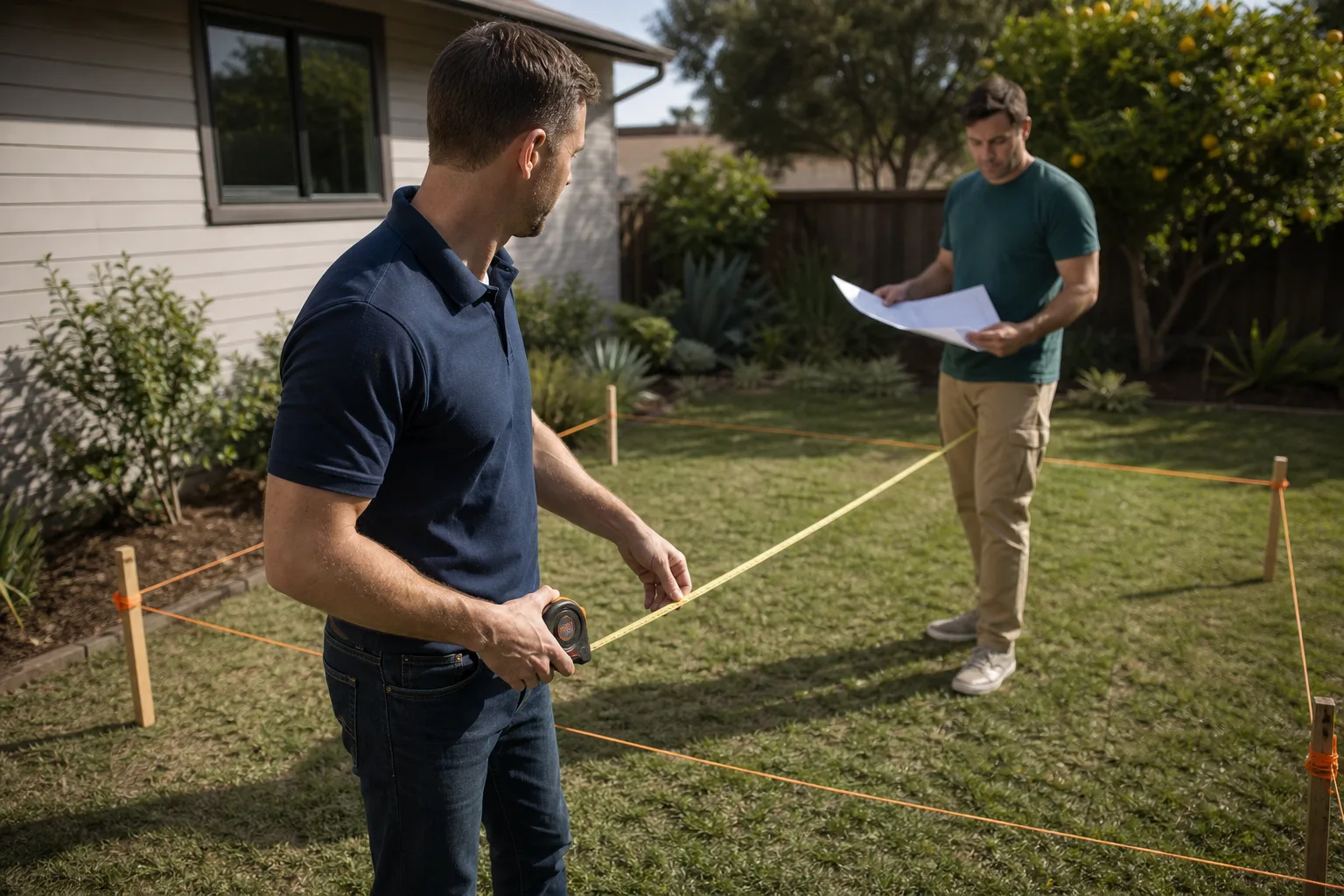
Successful self-management in Austin requires specific coordination tasks most people don’t anticipate. You’ll sequence trades so the plumber’s rough-in happens before the electrician’s, and the electrician’s before the drywall crew arrives. You’ll schedule inspections through the city’s online portal and be present for each one. You’ll manage material deliveries, which in Austin post-2022 supply chains means accounting for lead times on trusses, windows, and electrical panels that can stretch six to ten weeks. You’ll run 12 to 18 hours of coordination weekly for six to nine months, and one missed step can set you back three weeks.
The scopes where self-managing goes sideways in Austin are almost always the same three: foundation form work, rough electrical coordination, and exterior waterproofing. Homeowners underestimate the first because forming and pouring a slab looks conceptually simple. They mess up the second because they don’t know Austin Energy’s service coordination requirements. And waterproofing fails because Central Texas has 35 inches of average annual rainfall with intense spring and fall storm events, and a missed flashing detail doesn’t show itself until the first hard rain after the drywall is already up.
Self-managing also carries a hidden cost: the “fix it” premium. Licensed subcontractors charge more when they’re brought in to correct or complete work that a homeowner started. The premium in Austin’s tight labor market runs 15 to 25 percent over what the same contractor would have charged to do the work from a clean start.
What DIY Actually Costs in Hours, Dollars, and Delays
The financial case for DIY in Austin is built on labor cost assumptions that haven’t been true since 2021. Austin construction labor rates have risen sharply over the past four years, but the cost of a failed DIY attempt has risen even faster. Here’s the realistic comparison for a 600-square-foot one-bedroom ADU in Austin at current market rates.
- Full professional build, fixed price: $180,000 to $240,000, depending on site conditions, foundation type, and finish level. Includes permits, licensed trades, warranty, and a timeline of 7 to 10 months.
- Self-managed with licensed subs: $150,000 to $200,000. You save the 15 to 20 percent GC margin but absorb coordination time, scheduling risk, and the “fix it” premium if anything goes wrong.
- Full DIY on non-licensed scopes: Realistically only saves an additional 8 to 12 percent, because the licensed electrical, plumbing, and HVAC scopes still account for nearly half the budget. Your total out-of-pocket lands around $135,000 to $180,000, but your timeline stretches to 12 to 18 months, and your rework budget should be set at $10,000 to $20,000.
“Savings” measured in dollars alone misses the real cost, which is time and exposure. An ADU that sits half-finished through an Austin summer accumulates moisture damage, insect intrusion, and the compounding cost of rework that grows every month it’s exposed. A fixed-price professional build with a written completion timeline converts that exposure into a number you plan around, not a number that grows while you sleep.
There’s also the insurance question. Most Texas homeowners policies exclude unpermitted or self-performed work when a claim arises. If a DIY rough electrical connection fails and causes a fire, the carrier will likely deny the claim and the mortgage lender may require corrective work before considering the property insurable. That’s a five-figure tail risk that doesn’t show up in the savings spreadsheet.
The Three DIY Scopes That Fail Austin Inspections Most Often
Austin’s Development Services Department inspectors see the same failures repeatedly on owner-builder ADU projects. These three scopes account for the large majority of failed first inspections.
1. Foundation form work. Austin’s expansive clay soils behave dramatically between wet and dry seasons. A slab-on-grade pour without proper rebar spacing, vapor barrier, and compaction fails the foundation inspection because the engineer’s details weren’t followed to the letter. The fix often means demolition and re-pour, a $15,000 to $25,000 mistake.
2. Rough electrical. This is the most common self-performed scope that’s also illegal to self-perform. The inspector doesn’t just check the wiring, they check the permit holder’s name against the licensed electrician on file. A homeowner who pulls wire themselves and calls an electrician afterward to “sign off” will find no electrician willing to attach their license to unknown work. The wall cavities get closed, and then the inspection fails.
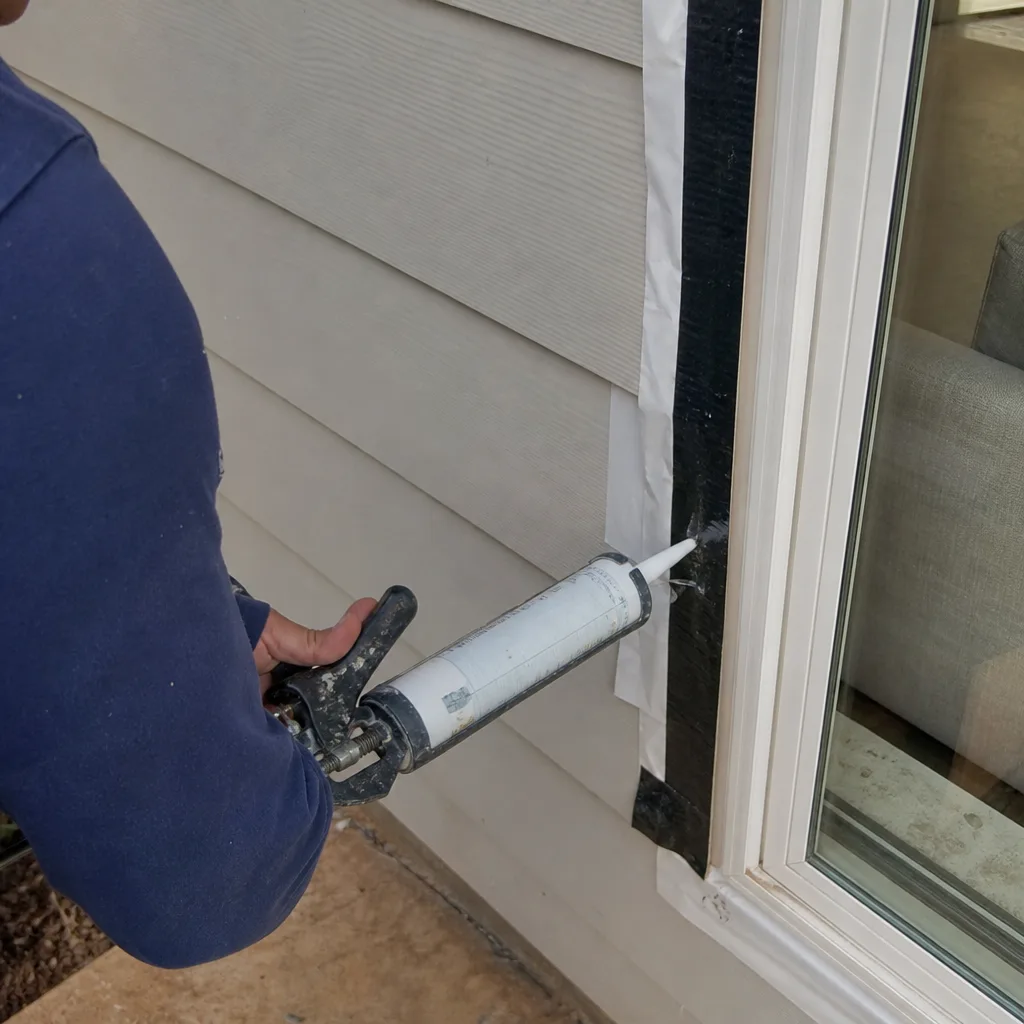
3. Exterior waterproofing. Austin gets 35 inches of rain annually, concentrated in spring and fall. Window flashing, door thresholds, and the junction where the ADU meets the house or garage all require specific membrane and flashing details. DIY waterproofing failures usually pass visual inspection and then leak during the first storm season, by which point drywall, insulation, and flooring are already installed. Repairing post-drywall water intrusion runs $10,000 to $30,000 depending on mold remediation needs.
The Rental ADU Catch That Eliminates DIY for Most Homeowners
Most Austin homeowners considering an ADU are doing it for rental income. The city’s own data and the sheer volume of ADU interest point the same direction: people want the second unit to pay for itself and then some. That intent alone disqualifies the owner-builder path entirely.
Austin’s permit application for owner-builder status requires a certification that the property is owner-occupied and will remain so. If the stated or reasonably inferable purpose of the ADU is rental occupancy, the permit gets rejected and the applicant must hire a licensed contractor. This rule is not a suggestion. It’s enforced at application review, and lying on the form compounds the problem from a denied permit to a fraudulent one.
The same restriction applies to garage conversions that become rental units. A homeowner can owner-build a garage conversion for personal use, but the moment it’s a rental dwelling, the permit belongs to a licensed contractor. That’s worth knowing before you spend $5,000 on architectural plans for a unit you planned to rent on Airbnb.
The five-year post-permit restriction compounds the issue. Even if you owner-build an ADU for personal use and later change your mind, selling the property within five years of permit closure triggers the owner-builder disclosure requirement. Buyers and their lenders scrutinize owner-built structures, and some financing programs won’t touch them. A licensed contractor build avoids those restrictions entirely.
How Austin’s Climate and Market Shape the DIY Decision
Austin’s climate punishes construction delays in ways that newer residents don’t always factor in. From May through September, temperatures regularly exceed 95 degrees, and a half-built structure without climate control becomes a hostile environment for both materials and people. Exposed framing warps. Adhesives cure too fast. Drywall mud behaves differently at 100 degrees than at 70. A project timeline that slips from October to March means you’re working through summer instead of finishing before it.
The Austin construction market has another variable: subcontractor availability. This city has led the country in ADU interest per capita for several years running, and the licensed trades know it. Electricians, plumbers, and HVAC contractors in Austin are booked weeks to months out, and they prioritize general contractors who feed them steady work over one-off homeowners. A self-managing homeowner may wait six weeks for a plumber that a contractor could schedule in two.
Austin’s permitting timeline adds friction for owner-builders unfamiliar with the process. The city’s online portal has improved, but plan review for ADUs still runs 4 to 8 weeks on a clean submission. A single comment cycle adds another 2 to 4 weeks. An owner-builder submitting plans for the first time should budget two to three review cycles. A contractor who submits regularly sees far fewer comments because they know what the reviewers flag.
There’s also the question of product choice. Austin’s ADU market has matured past stick-built everything. Homeowners now realistically choose between traditional on-site construction and prefab or modular systems from companies like Plant Prefab, Abodu, and Tuff Shed’s studio product line. Each option has different foundation requirements, different trade responsibilities, and different permitting paths. A self-managing homeowner has to learn all three simultaneously while coordinating trades they’ve never worked with. A professional builder who works with these brands daily can tell you in the first meeting which product fits your lot, your soil, and your budget. Our team at ADU Builders in Austin works with Plant Prefab, Abodu, and Tuff Shed products regularly, and the difference between a good product on the wrong lot and the right product for the site is usually visible before the first permit is pulled.
Common Mistakes to Avoid
- Assuming owner-builder status applies to rental ADUs. Austin rejects owner-builder permits for rental units. If the ADU is for income, a licensed contractor must pull the permit. Misstating your intent is permit fraud.
- Self-performing electrical or plumbing. Texas law requires licensed trades for these scopes regardless of owner-builder status. Unlicensed work voids insurance and fails inspection, and no electrician will sign off on work they didn’t do.
- Underestimating Austin’s soil. Expansive clay moves dramatically between wet and dry seasons. Foundation details that work in the Northeast fail here. Follow the engineer’s specifications exactly, which in practice means hiring a crew that does foundations daily.
- Starting without a written schedule and budget. A self-managed ADU drifts. One missed inspection call slips three weeks. A written schedule with task-level deadlines is the difference between nine months and eighteen.
- Buying materials before the permit is approved. Austin plan review runs 4 to 8 weeks clean, longer with comments. Materials ordered before approval sit in the weather and get stolen, warped, or both.
- Choosing a prefab product after the foundation is poured. Abodu, Plant Prefab, and Tuff Shed units have different foundation and utility requirements. The product decision drives the foundation design, not the other way around.
- Ignoring the five-year resale restriction. Owner-built ADUs carry a five-year disclosure obligation after permit closure. Financing for buyers gets harder with owner-built structures. If selling within five years is possible, a licensed contractor build matters.
When to Call a Professional
Call a professional if the ADU will be a rental, if you want the permits pulled by someone who knows Austin’s review process, if your lot has slope or soil issues, if you can’t commit 12 to 18 hours weekly for coordination, or if you need a fixed price and a written timeline before you spend a dollar. Homes with young kids and pets deserve particular thought: construction inside an occupied home means dust, noise, and strangers, and the difference between a professional crew that uses drop cloths and a rotating cast of subcontractors is visible on your floors at the end of every day. Seedling ADU Austin home is our starting point for every project, and every build includes a written line-item price before work begins, plus a 365-Day Done Right Promise. Call (254) 615-3842 for a free estimate.
Frequently Asked Questions
Yes, if the property is owner-occupied and you sign a homestead certification on the owner-builder permit application. No, if the ADU is intended for rental occupancy or you plan to sell within five years. The electrical, plumbing, and HVAC scopes still require licensed trades either way.
A 600-square-foot one-bedroom ADU in Austin runs $180,000 to $240,000 for a full professional build at current market rates. Self-managing with licensed subs lands around $150,000 to $200,000. Full DIY of non-licensed scopes only saves another 8 to 12 percent because licensed trades still account for nearly half the budget. Call (254) 615-3842 for a written line-item quote.
Your inspection fails, your insurance likely voids the claim if something goes wrong, and no licensed electrician will attach their name to work they didn’t perform. The fix usually means opening walls, which costs thousands and sets the project back weeks.
Yes. Austin and Travis County both carry owner-builder restrictions for five years after permit closure. Selling during that window triggers disclosure requirements, and some lenders won’t finance homes with owner-built ADUs.
It depends on your weekly availability and your tolerance for coordination risk. The savings are 15 to 20 percent against a fixed-price build, but the time commitment runs 12 to 18 hours weekly for six to nine months. Most homeowners who attempt it report the time cost exceeded the financial savings once rework and delays are included; our seasonal ADU care guide for Austin covers what ongoing attention looks like after move-in.
They simplify many scopes but don’t eliminate the coordination burden. Foundation, utility connections, and site work still require permits and coordination. Working with a builder who knows these products, like Garage Conversion Contractor in Austin or Home Addition Contractor in Austin, means the product decision happens before the foundation design instead of after.
The Bottom Line
The DIY ADU decision in Austin is a legal question first and a financial question second. If you plan to rent the unit or sell the property within five years, the owner-builder path is closed to you. If you do owner-build, the law carves out the expensive scopes anyway, which caps your savings at about 15 to 20 percent before accounting for your own coordination time. The math changes when you measure against Austin’s climate, inspection process, and subcontractor market, all of which penalize inexperience harder here than in most places. What Seedling ADU Austin offers is the thing DIY can’t buy: a written price, a fixed timeline, and a crew held to the Cedarwell Care Promise, with shoe covers on your floors, pet-safe products where there’s a choice, and a photo of the cleanup before anyone leaves.
Written by Ben Ortega, Owner at Seedling ADU Austin, serving Austin since 2001. Browse more guides & resources on ADU planning and ownership.