Tuff Shed Site Prep & Utilities: The Austin Owner’s Guide
Site prep and utility rough-in for a Tuff Shed in Austin typically runs $1,800 – $6,500 installed, depending on whether you need a simple gravel pad, a concrete slab with anchor bolts, or full electrical and water rough-in. We stock the most common Tuff Shed-compatible anchor kits, pier blocks, and utility box components on our trucks, so most site-prep assessments can be completed the same day we visit. Most Austin owners discover they need this when the shed arrives or is scheduled for delivery, and the ground underneath it is not actually ready to hold it level or keep it from moving during our clay-heavy wet-dry cycles.
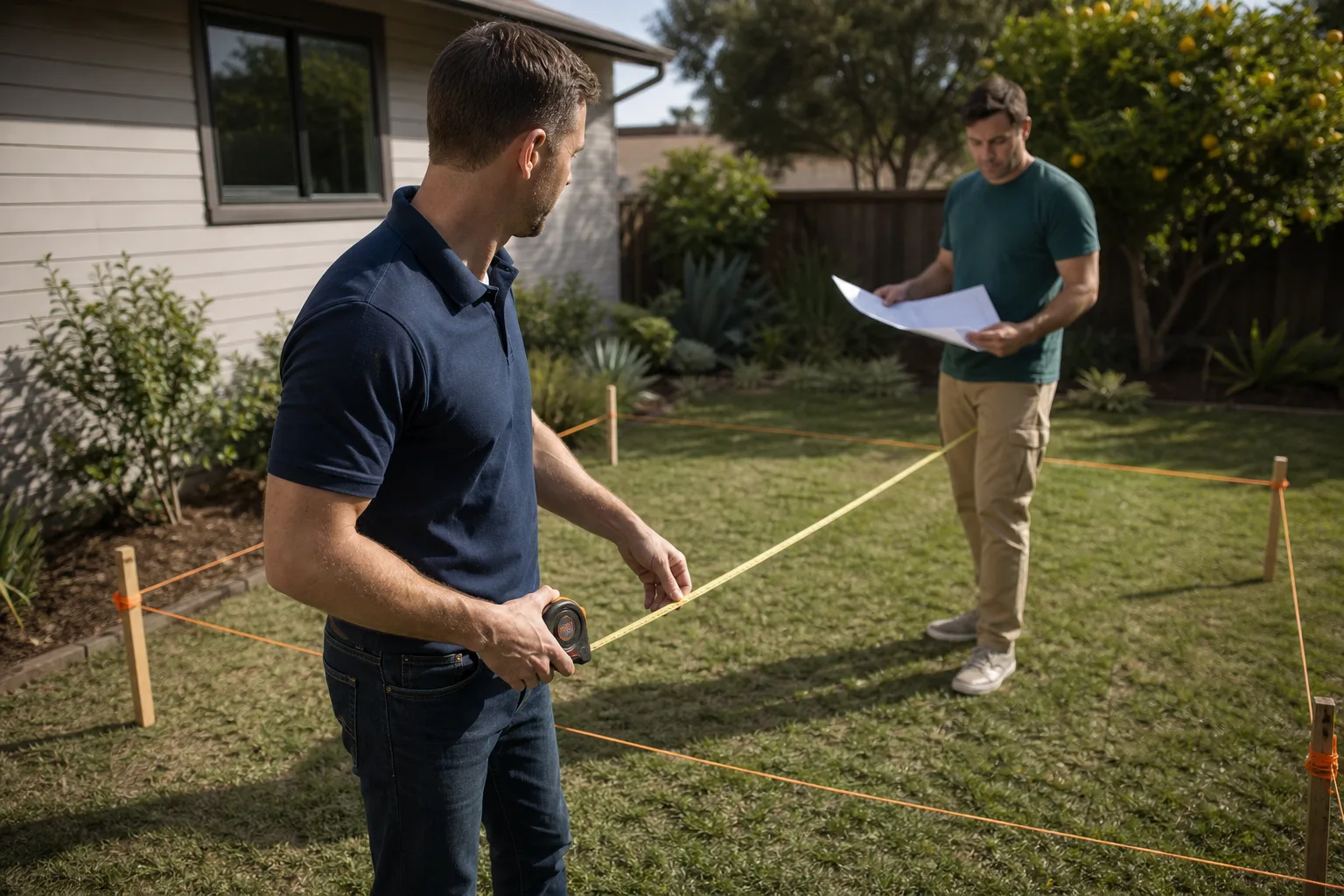
Here’s the part most people skip: Tuff Shed delivers the structure, but the *ground work* underneath it is yours. In Austin, that’s a bigger deal than in most of the country because our expansive clay soil moves. A shed set on bare ground or a thin gravel bed will shift within two seasons. We’ve seen doors stop latching in Crestview within six months when the pad underneath wasn’t done right. Ben Ortega walks every line of the estimate before anything gets filed, because this is the stage where surprises are easiest to avoid.
Which Tuff Shed Models This Applies To
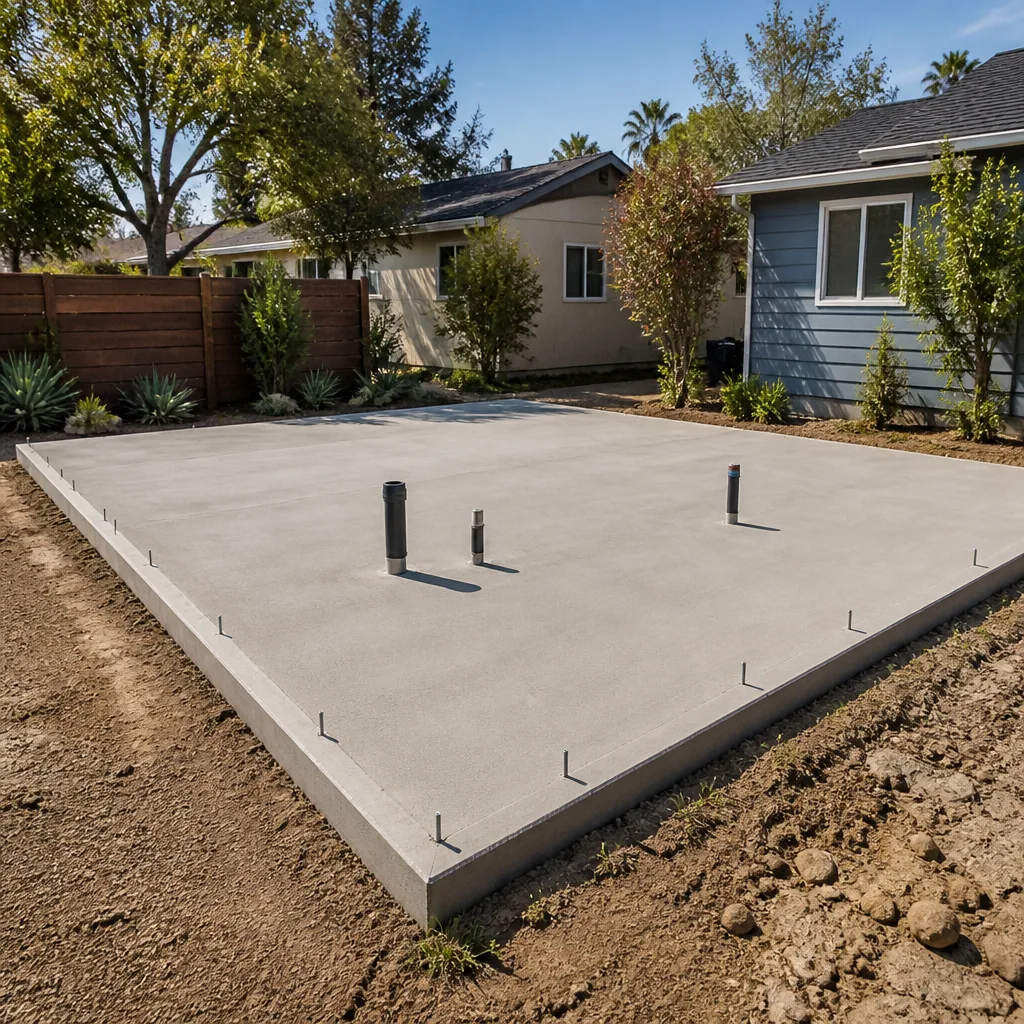
Every Tuff Shed product, from the compact 6×8 Pro Series to the taller Premier Pro and two-story barn models, needs site prep. The compatibility questions are less about the shed model and more about what’s going underneath it and through its walls. Tuff Shed offers an optional factory-installed anchor kit designed for concrete, and those bolt patterns vary by the shed’s floor frame spacing. If you’re adding electrical or a window AC, the wall framing differs between the Pro Series and the Premier Pro in terms of stud placement, which matters for where a utility rough-in box can go without cutting through a header.
One compatibility gotcha we tell every Austin owner: Tuff Shed’s standard anchor kits are sized for a 4-inch concrete slab. If you pour a thicker slab or use a compacted gravel base, you’ll need different length anchors or a different anchoring method entirely. We source OEM Tuff Shed anchor kits when the slab thickness matches, and use quality galvanized post-base anchors when the site calls for a gravel or pier setup. Both work. The failure is almost always using the wrong one for the base you actually have.
We’re an independent installer and service provider, not affiliated with Tuff Shed. We also work with Abodu, Cover, and Dvele for prefab ADU projects where a different foundation and utility approach is required.
Signs Your Tuff Shed Site Prep & Utilities Is Failing
- Doors stick or won’t latch. The shed floor is no longer level. This is almost always soil movement underneath the pad or gravel base, not a hinge problem. In Austin’s clay, it shows up after a dry summer followed by heavy rain.
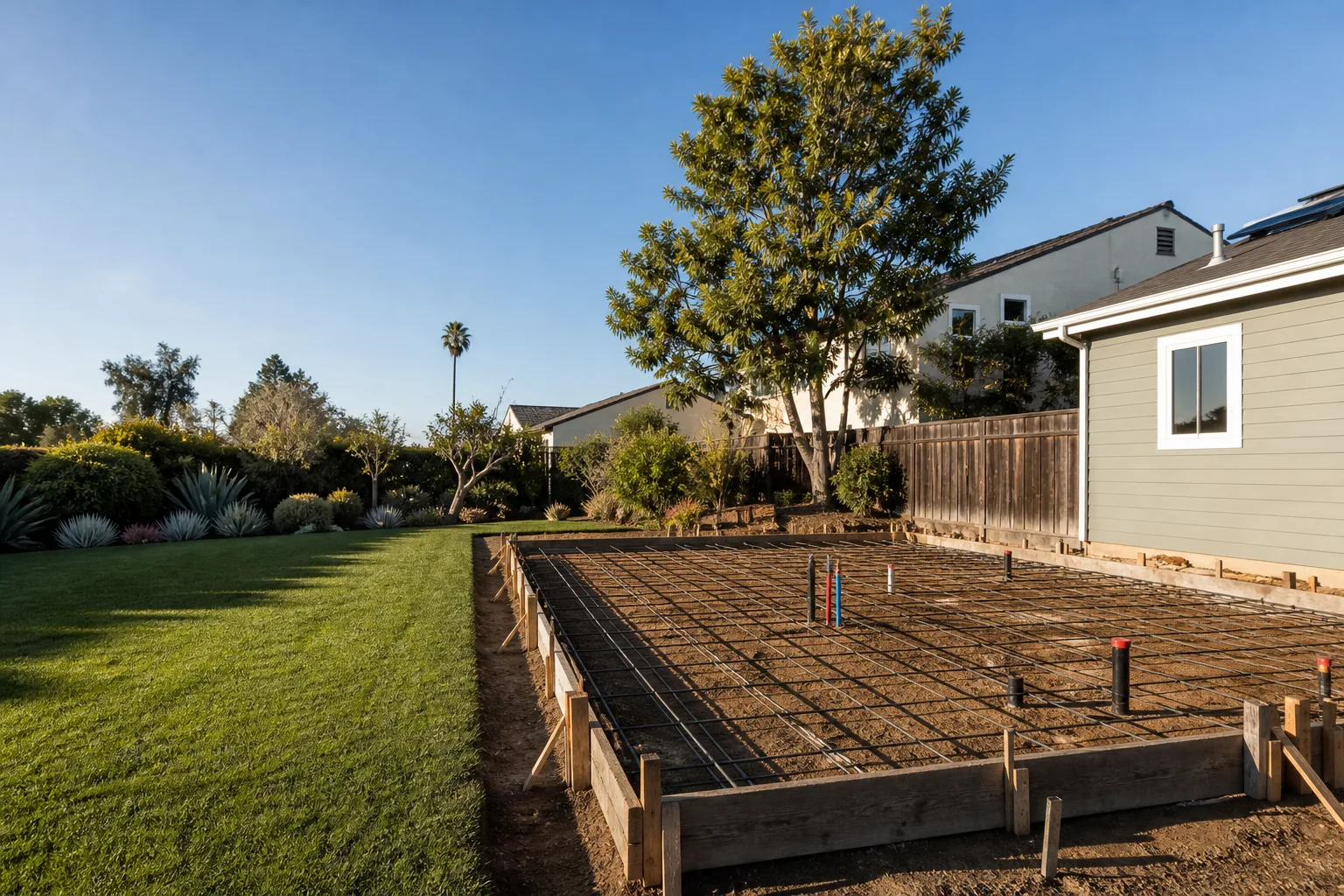
- Visible cracking in the concrete pad corners. Slabs poured too thin or without proper rebar crack first at corners where frost heave, rare but real on Austin’s coldest winter mornings, puts uneven pressure on the edge.
- Water pooling under or around the shed floor. The pad or gravel base wasn’t graded for drainage, and Austin’s intense spring rains turn it into a standing puddle that wicks into the floor framing.
- The shed drifts or shifts after storms. If the structure moves more than a quarter inch over a season, the anchors aren’t doing their job, either because they’re the wrong type for the base or they’ve pulled loose from saturated soil.
- Dead outlets or tripped breakers inside the shed. In a Tuff Shed rough-in, this usually means the exterior junction box wasn’t sealed against moisture, and Austin humidity plus rain has corroded the connection. Not a house wiring issue. A shed-to-weather issue.
Replacement Cost & What’s Included
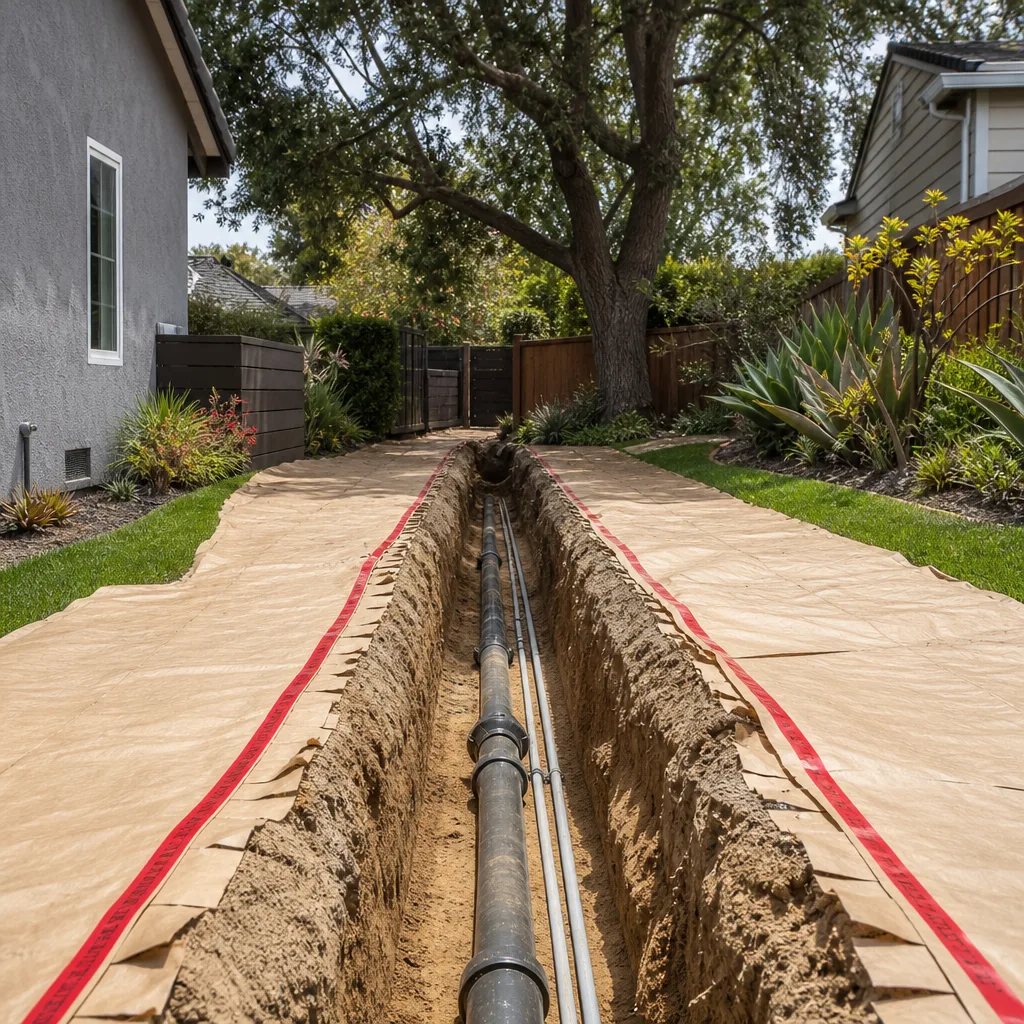
For Austin, here’s what we typically see, installed and warrantied:
| Scope | Installed Range |
|---|---|
| Gravel pad, graded and compacted (8×10 to 10×12) | $1,800 – $2,600 |
| Concrete slab with anchor bolts, 4-inch | $3,200 – $5,400 |
| Electrical rough-in (panel feed, 2-4 outlets, exterior-rated box) | $1,400 – $2,800 |
| Water or drain line to shed location | $1,500 – $3,500 depending on distance from house |
| Full site prep + utility rough-in, combined | $4,800 – $6,500 |
The range comes down to slab thickness, distance from the main electrical panel or water line, and how much grading the site needs. We don’t pad the number to negotiate backward. You get a written line-item price before anything goes in the ground, and the 365-Day Done Right Promise covers every site prep and utility job we complete. If the pad settles or the rough-in fails within that first year, we make it right.
DIY or Call Us?
You can handle the assessment part yourself: check for standing water after a rain, put a level on the shed floor corners, and look for gaps between the bottom plate and the pad. That tells you something is wrong. The fix is where it gets risky. Cutting through a Tuff Shed wall to add or repair electrical rough-in means dealing with live wiring and Austin’s specific outdoor-outlet code requirements. Similarly, pouring a replacement slab on clay soil without proper compaction or drainage grading just reproduces the same problem in a year.
Let’s look at what the space actually needs before we talk about what it could become. If the ground isn’t right, nothing above it will be. Call (254) 615-3842 and we’ll come out, look at the pad, check the slope, and tell you what’s actually needed. The assessment visit and the quote are free.
FAQs
A concrete slab with correct drainage and anchoring should last 15 to 25 years in Austin soil; a gravel pad with proper compaction generally lasts 8 to 12 years before it needs re-grading, though the clay movement here can shorten that if drainage isn’t perfect.
Small corner cracks can sometimes be sealed with concrete epoxy, but if the pad has shifted out of level or the cracks run through to the slab edge, it usually needs full replacement because Austin’s expansive soil has already compromised the base. An inspection will tell you which path applies. Call (254) 615-3842 and we’ll give you a straight answer.
A gravel pad can be done in a day, concrete in two to three days including cure time before the shed goes on it, and electrical or water rough-in takes one to two days depending on trenching distance.
We stock the most common anchor kits, pier blocks, and outdoor-rated junction boxes for Tuff Shed models on our trucks, so most jobs don’t require any waiting on your end. If a specialty component is needed, we’ll have it ordered and scheduled before the crew arrives.
Written by Ben Ortega, Owner, Seedling ADU Austin at Seedling ADU Austin, serving Austin and nearby areas.