James Hardie Home Addition Contractor in Austin: What to Know First
Adding onto a home clad in James Hardie fiber cement requires a contractor who understands how the existing siding, trim, and moisture barrier need to tie into the new structure. In Austin, a James Hardie home addition typically runs $180 – $320 per square foot depending on scope, site access, and whether you’re adding a ground-floor bump-out or a full second story. We’re an independent James Hardie service provider, not an authorized dealer, which means we make material and method choices based on your home, not a brand playbook. If you own a Hardie-wrapped home and you’re thinking about an addition, call (254) 615-3842 and we’ll walk the lot with you before anyone picks up a tool.
How James Hardie Products Fail – and How We Fix Them
James Hardie makes good siding, but additions create seams, transitions, and load points where installation errors from years ago start showing up. Here’s what we see most often on Austin homes when we open up walls for an addition:
- HardiePlank lap siding butt joints opening at new roofline transitions. The original installer may have gapped joints correctly, but a decade of Austin heat and clay soil movement shifts framing enough to widen those seams. When we tie a new addition into the existing eave, we inspect every joint within four feet of the connection and reflash before cladding the new section.
- HardieTrim boards wicking moisture at the bottom edge. HardieTrim is a dense product, but it still needs proper clearance from rooflines and grade. In older Crestview and Brentwood homes, we regularly find trim boards buried in garden soil or sitting too close to roof shingles. During an addition, we cut back and reseal those areas while the wall is open, which saves the owner a much bigger repair later.
- HardiePanel vertical siding with hairline cracks at the corners. This is common on sunroom and garage additions where the original framing wasn’t square. Fiber cement doesn’t flex, so when the frame twists in Austin’s summer heat, the panel takes the stress. We reframe and shim the corner before installing new HardiePanel, so the crack doesn’t come back in eighteen months.
- Flashing failures at the old-to-new wall intersection. This isn’t a James Hardie defect, it’s a construction sequence issue. If the original siding wasn’t cut back cleanly before the addition was framed, you get a funnel for water behind the new wall. We remove the old siding at the seam, install a proper kickout flashing, and run HardieWrap or the existing housewrap up under the new weather barrier.
- Fading and chalking on the west-facing elevation. Austin sun is brutal on any siding, and James Hardie’s ColorPlus finish holds up well, but not indefinitely. When we add onto a home with a weathered west wall, we’ll often recommend repainting that entire elevation so the new and old siding match. Hardie’s factory finish can’t be matched spot-for-spot without a full repaint, and we’d rather tell you that before you see the color difference yourself.
Our James Hardie Home Addition Contractor Process
A James Hardie home addition isn’t just framing and drywall. The siding decisions drive the order of work, so we plan around the existing cladding from day one.
- 1
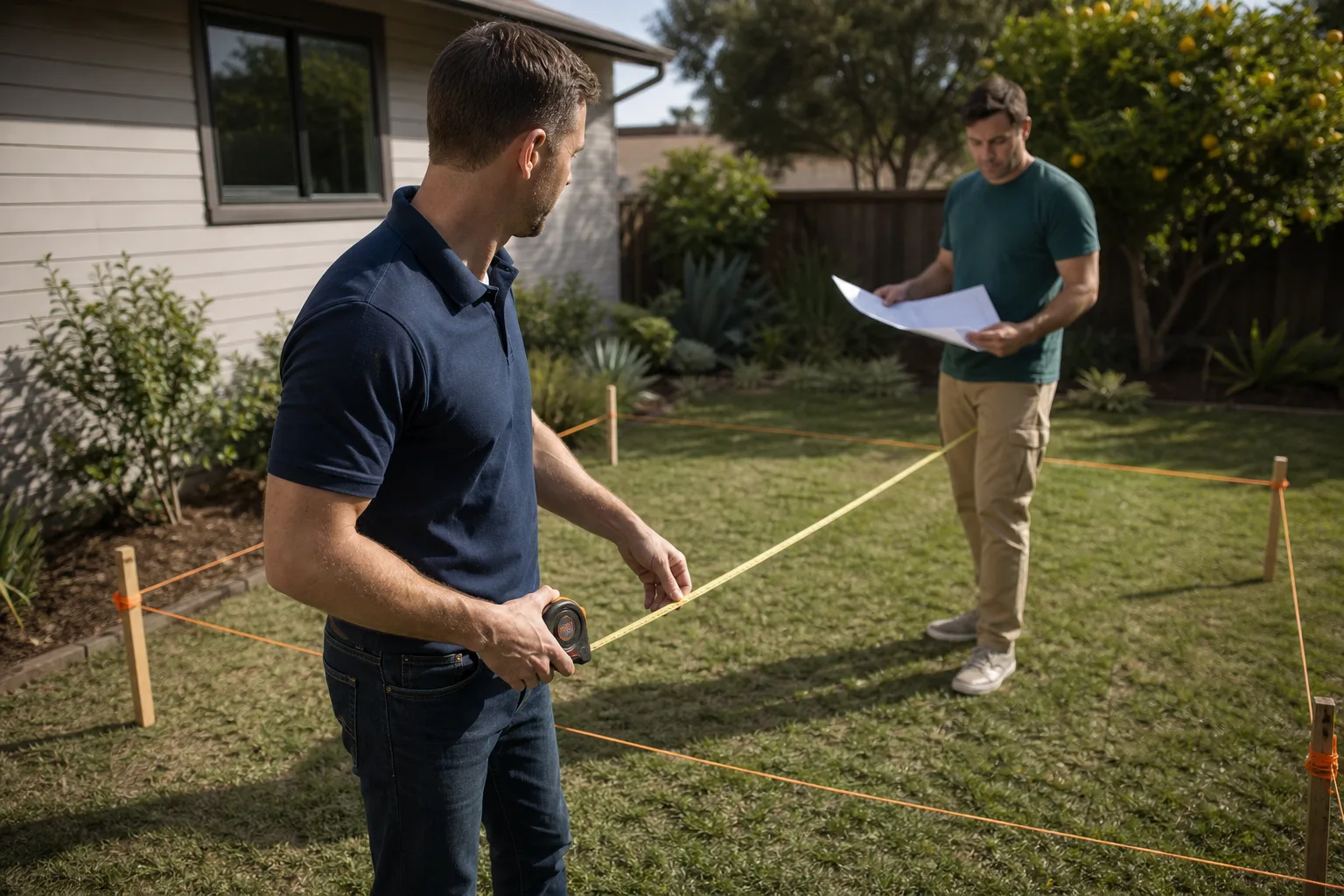
Site walk and siding inspection. Ben Ortega walks the property with you, looking at the existing Hardie install: joint gaps, flashing, trim condition, and where the new roofline will meet the old. We talk about what needs to stay, what needs to be cut back, and what the finished elevation will look like from the street.
- 2
Written estimate with material line items. You get a price in writing before any work starts. That includes the Hardie siding, trim, flashing, paint, and any reframing needed at the transition. No allowances that balloon later.
- 3
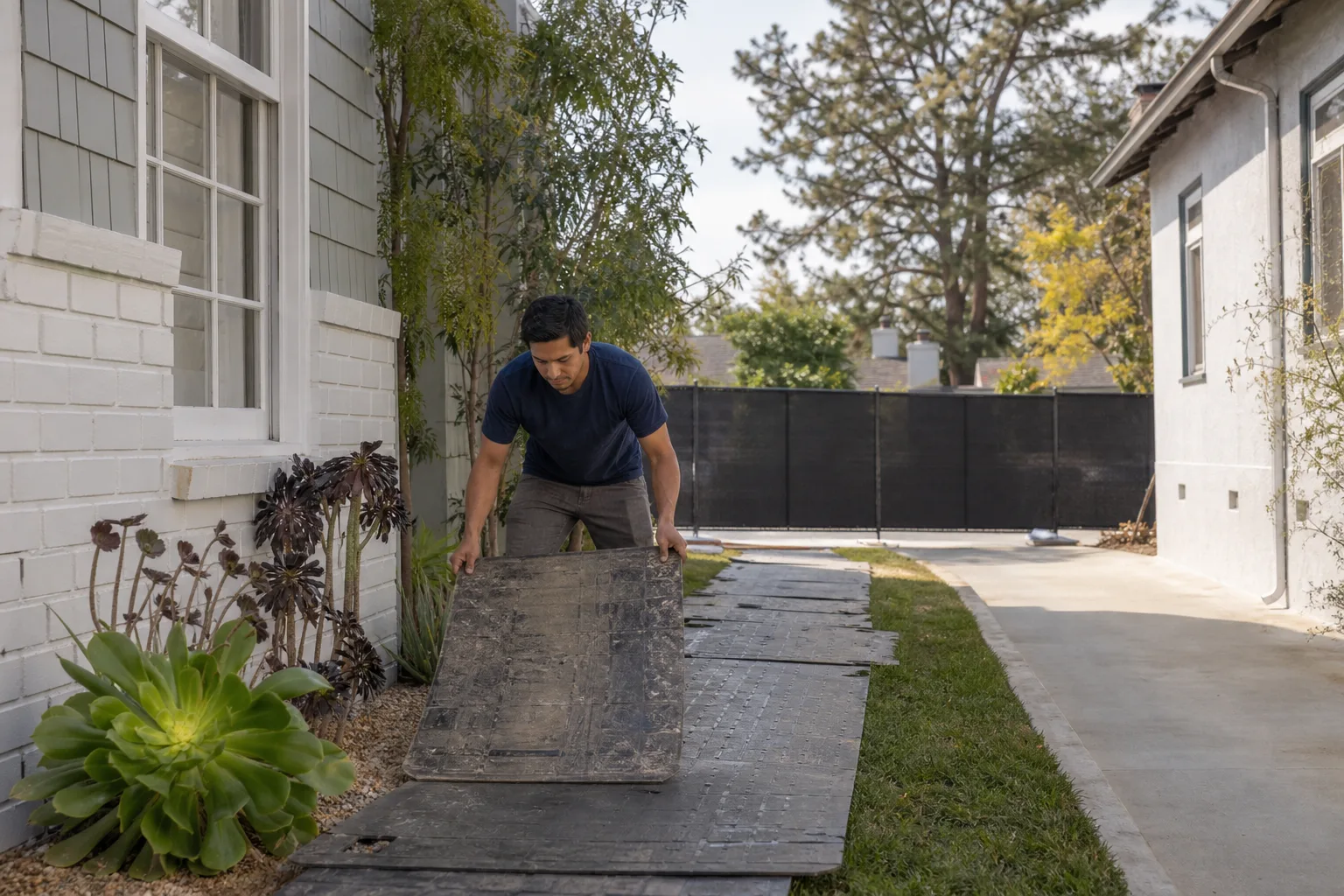
Demolition and framing with protection in place. Our crew lays drop cloths and shoe covers at the door, and we section off the work area so your kids and pets don’t wander into it. The old siding comes off only where it needs to.
- 4
Weather barrier and flashing installation. Before new Hardie goes on, we make sure the old-to-new junction is watertight with proper flashing and housewrap integration. This is the step that determines whether your addition sheds water for twenty years or rots in ten.
- 5
Siding install and trim. New HardiePlank, HardiePanel, or HardieTrim goes on with correct fasteners, joint spacing, and clearance from rooflines and grade. We follow James Hardie’s published installation requirements because they matter, but we’re not bound by them when your specific situation calls for a better detail.
- 6
Cleanup photo and walkthrough. Before we leave, we photograph the clean job site and send it to you. Then we walk the finished addition together and point out exactly what was done at every seam. Your 365-Day Done Right Promise is in writing, and we show you what “done right” looks like while we’re still standing there.
What James Hardie Home Addition Contractor Costs in Austin
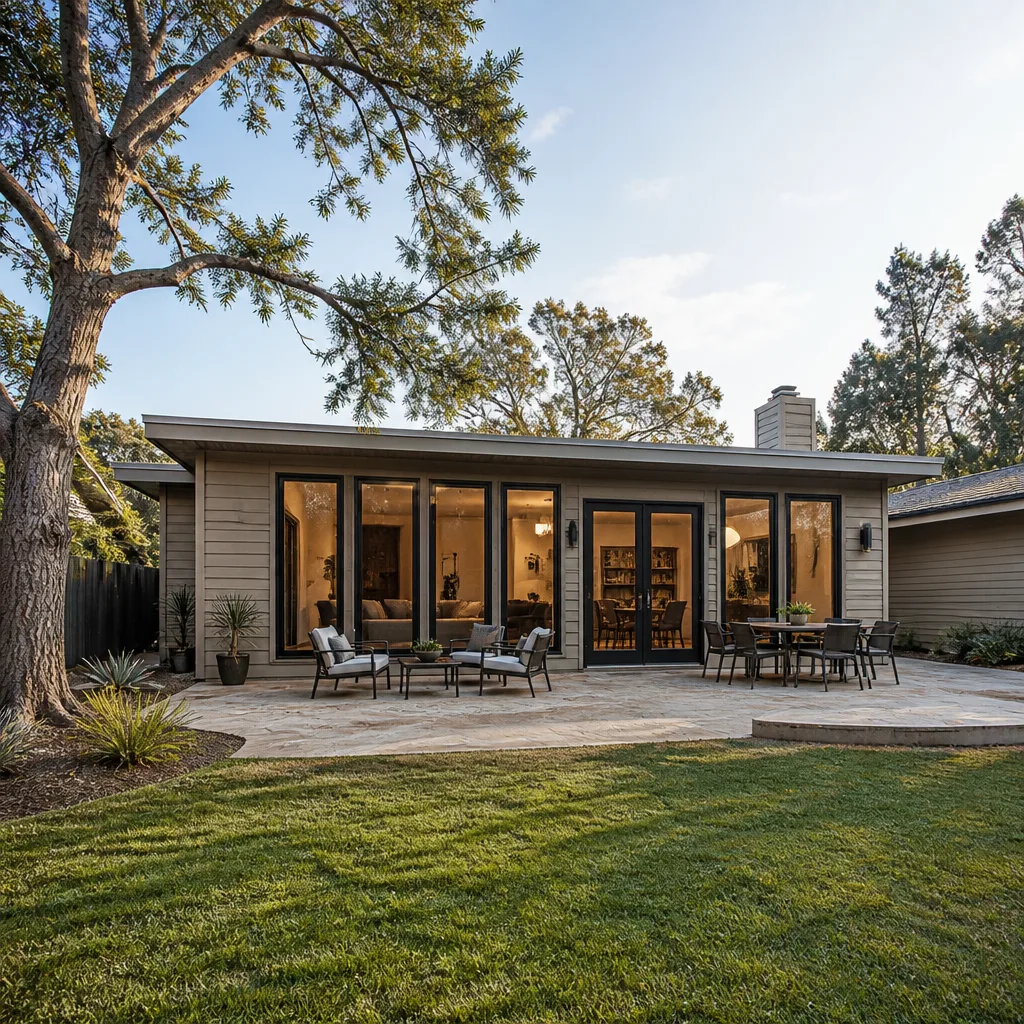
Most James Hardie home additions in Austin land between $190 and $310 per square foot, with the total driven by scope and existing conditions. Here’s the honest breakdown:
- Ground-floor bump-out with matching HardiePlank siding: $45,000 – $85,000 for a typical 250 – 400 square foot addition.
- Second story addition with HardiePanel and full roof integration: $120,000 – $220,000 depending on structural work and access.
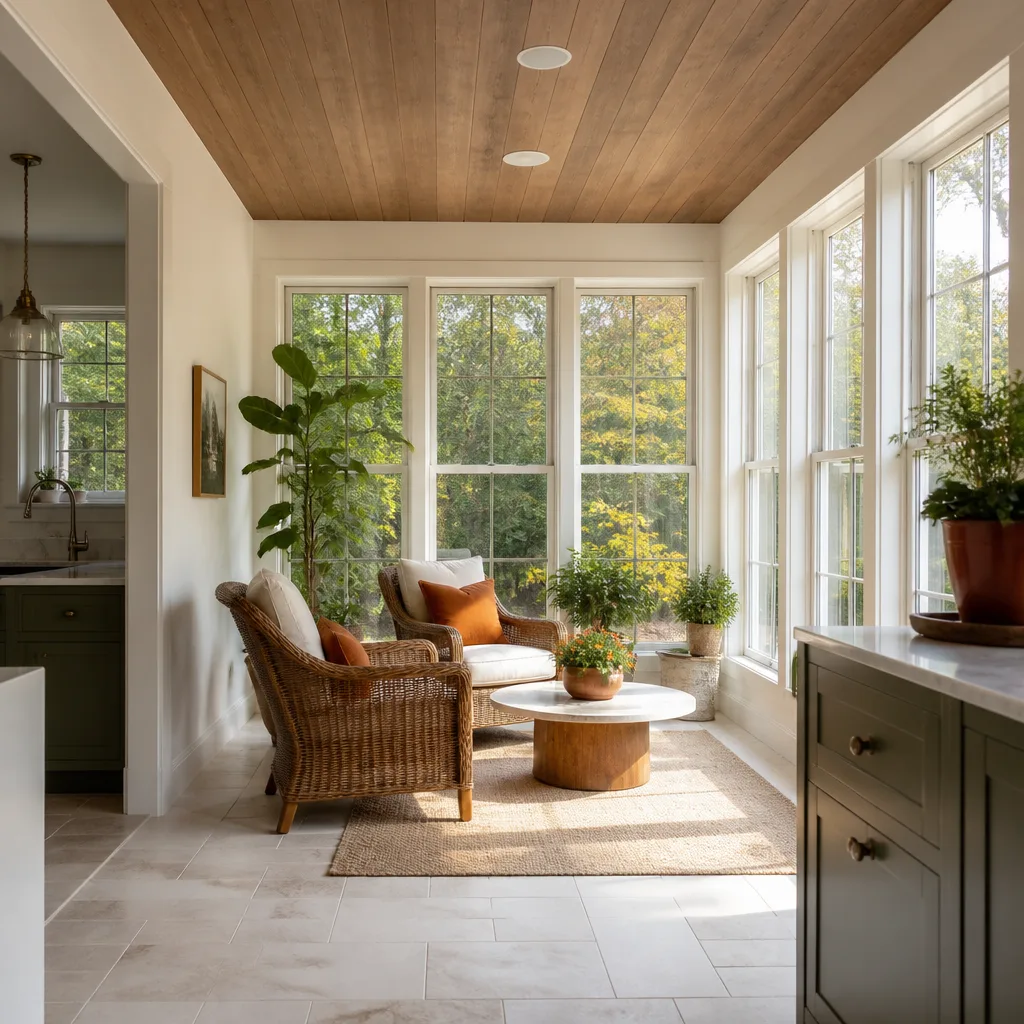
- Sunroom addition with HardieTrim and wrap-around windows: $55,000 – $110,000.
- Garage addition or conversion with Hardie siding match: $40,000 – $90,000 depending on whether you’re converting or building new.
What moves the price most is the condition of the existing Hardie at the tie-in point. If the old siding is in good shape and the transition is simple, the siding portion of your job stays small. If we find rotted flashing, cracked panels, or trim that needs full replacement, that gets added to your written estimate before we start, not as a surprise after. Call (254) 615-3842 and we’ll give you a real number for your specific lot and addition.
Why Austin Homeowners Call Seedling ADU Austin for James Hardie Work
We treat every addition like a new home on your lot, built to last and finished with care. That means the Cedarwell Care Promise is in effect on every visit: shoe covers and drop cloths inside, pet-safe products where there’s a choice, and a photo of the clean-up before the crew pulls away. You get a written price before any work starts, and the 365-Day Done Right Promise covers the entire job, in writing. Our techs know James Hardie products specifically, and if a prefab or modular route makes more sense for your addition, we also work with Abodu, Cover, and Dvele. Ben grew up in Los Angeles, learned the trade at Los Angeles Trade-Technical College, and has spent years building and finishing additions across Austin, from Crestview bungalows to larger lots on the edges of town. He’s the one walking you through every line of the estimate before a single permit is filed. Let’s look at what the space actually needs before we talk about what it could become.
FAQs
We can match the product line and the installation pattern exactly, but a perfect color match without a repaint is rare. James Hardie’s ColorPlus finishes fade subtly over time, especially on Austin’s west-facing walls, so a five-year-old wall won’t match a brand-new panel perfectly. We’ll tell you honestly whether a full elevation repaint is the right call before you commit to the addition.
James Hardie’s product warranty covers material defects, but it doesn’t cover installation or the work done by any contractor. Your original James Hardie warranty generally stays in place for the siding we don’t touch. For the new siding we install, we give you our 365-Day Done Right Promise in writing. Call (254) 615-3842 if you want to review your specific warranty language with us before we start.
We use genuine James Hardie siding and trim on every addition where Hardie is specified. There are cheaper fiber cement products on the market, and we don’t install them on a home that already has Hardie because the texture and dimensional tolerances won’t match. If a client wants to switch to a different product mid-project, we’ll show them the difference on a sample before any money changes hands.
A ground-floor bump-out with full siding match typically takes eight to fourteen weeks from permit approval to final walkthrough. A second story addition runs four to seven months. The siding itself goes on in one to two weeks, but the structural, electrical, and interior finish work schedules the timeline. We’ll give you a written schedule with your estimate, and we hold to it unless Austin’s inspection office slows things down.
Yes. If you’re not ready for an addition but have damaged flashing, cracked panels, or failing trim on your existing Hardie, we can address those as a standalone siding project. We’ll still give you a written price and the same Care Promise. Call (254) 615-3842 and tell us what you’re seeing, and we’ll let you know if it’s a quick fix or needs more attention.
Written by Ben Ortega, Owner, Seedling ADU Austin at Seedling ADU Austin, serving Austin and nearby areas.