Dvele Site Prep & Utilities: The Austin Owner’s Guide
Site prep and utility work for a Dvele home in Austin typically runs $18,000 to $45,000 depending on lot conditions, trenching distance, and what the city requires for your specific address. We stock and install the utility connection components Dvele homes need, and most trenching and prep work can start within two weeks of permit approval. When this part of the project fails or falls short, it usually shows up as standing water after rain, a utility provider refusing to connect, or a foundation pad that isn’t level to the tolerances Dvele’s factory requires.
If you’re reading this, you’ve likely discovered that site prep is not a generic step. Dvele’s panelized system demands specific tolerances, and Austin’s mix of limestone, clay, and floodplain rules makes every lot its own puzzle. Let’s walk through what actually matters.
Which Dvele Models This Applies To
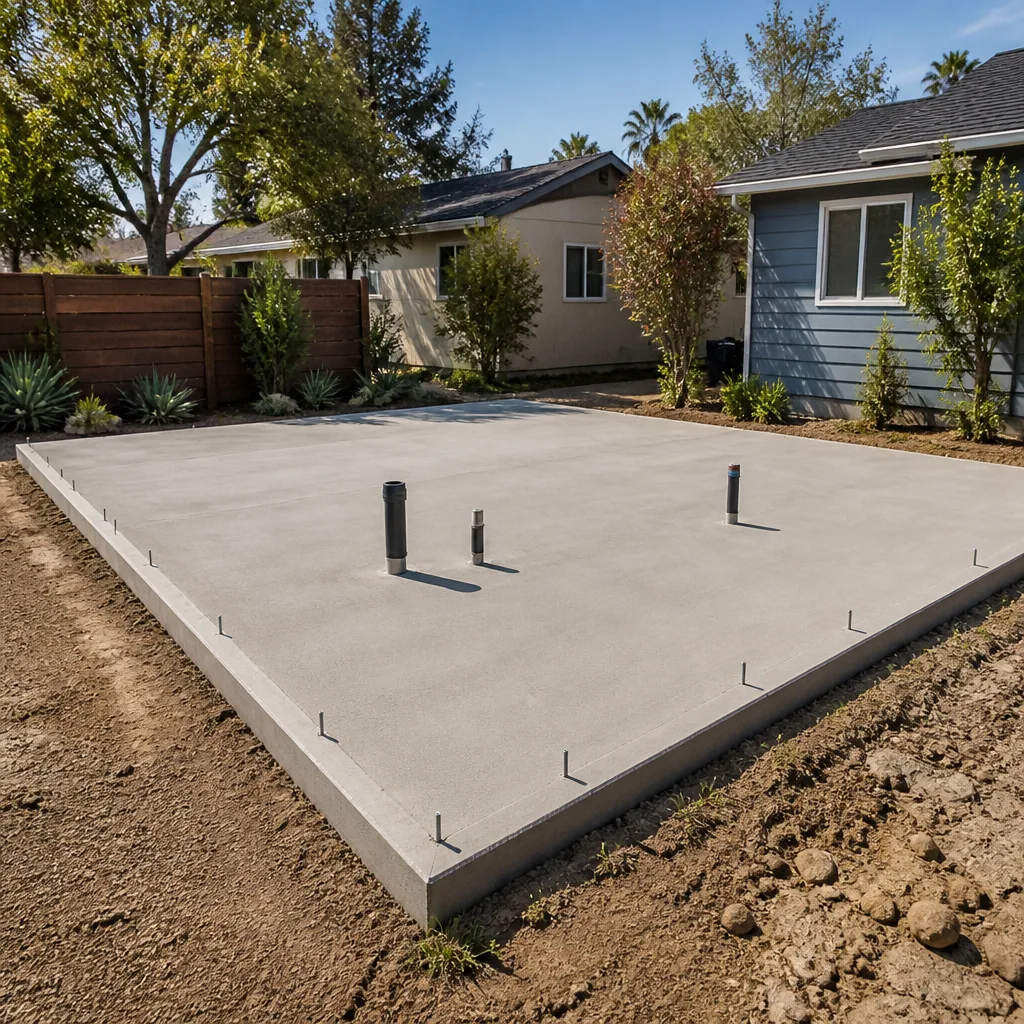
Dvele builds its homes around a steel frame and panelized wall system, and the site work requirements are consistent across their whole line: the Dvele IQ, Dvele Adaptive, Dvele Sierra, and Dvele Coastal all sit on the same type of precision foundation. The utility specs don’t change from model to model. What changes is the lot.
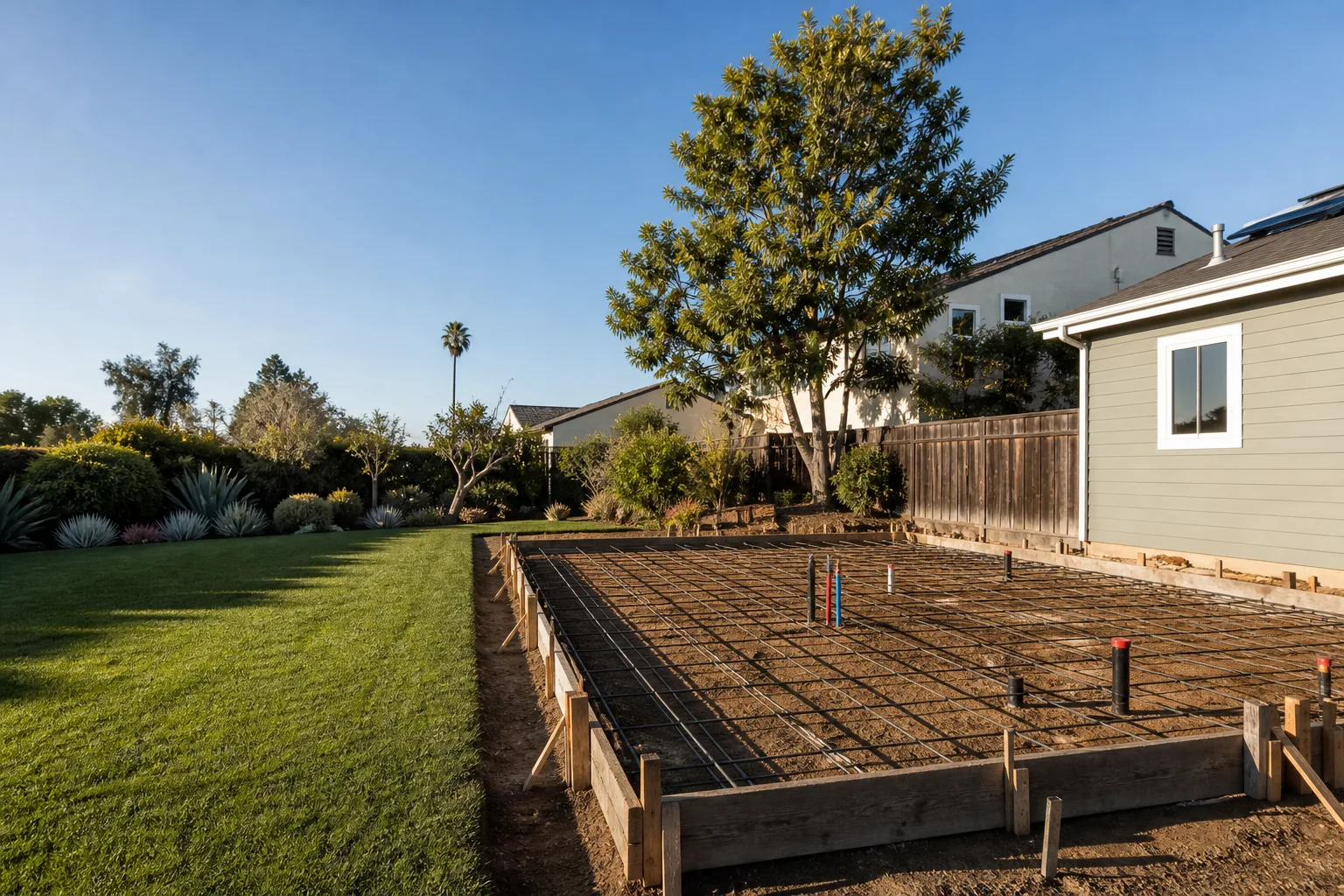
Here’s the compatibility gotcha most Austin owners hit: Dvele’s factory specs call for a foundation flatness tolerance of 1/8 inch over 10 feet. Most local concrete crews pouring a standard slab aren’t chasing that number, and a slab that’s out by half an inch can make wall panel installation a slow, shimming-heavy mess. If you’re having the slab poured by someone who hasn’t done a Dvele before, get that tolerance in writing before they pour.
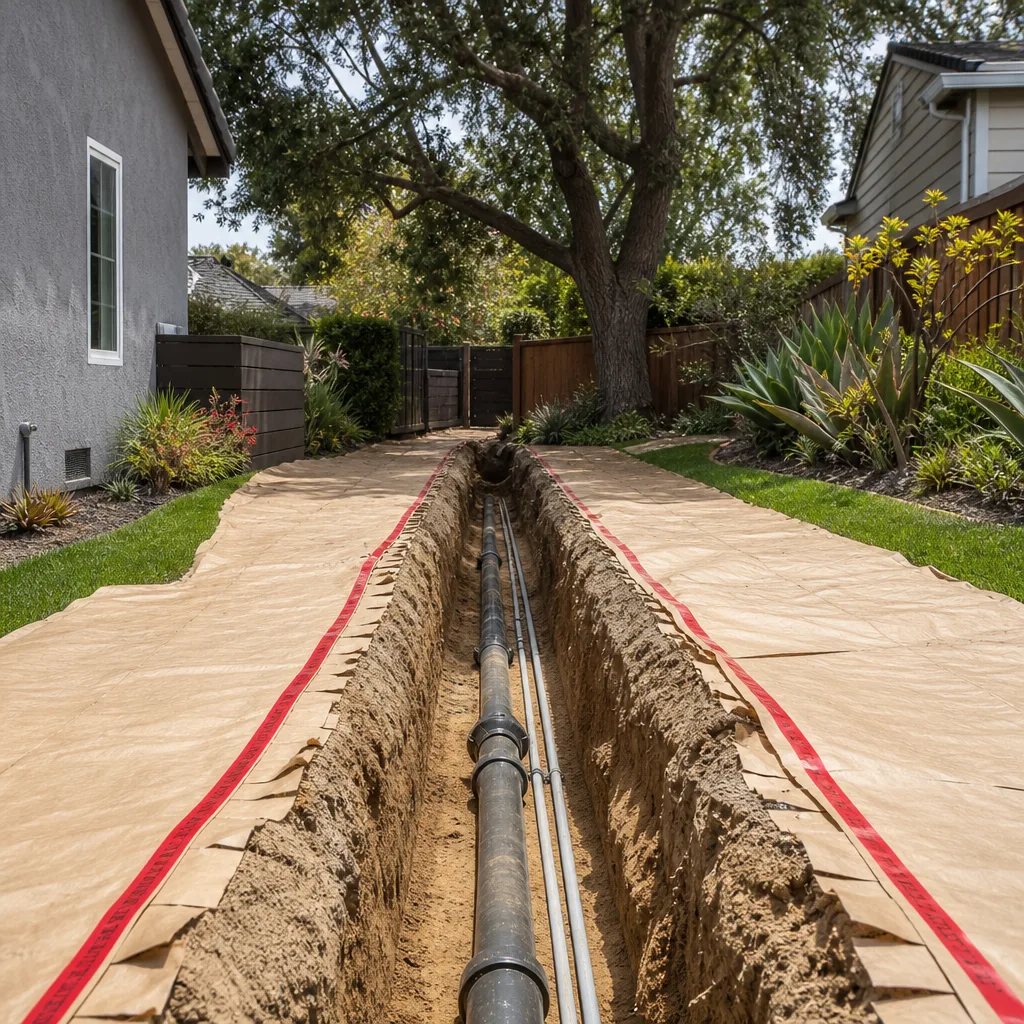
For utility connections, Dvele homes use standard residential service sizes – 200 amp electrical, 3/4 inch or 1 inch water service, and 4 inch sewer. The parts themselves aren’t exotic. The trick is coordinating the trench so that Austin Energy, Austin Water, and your internet provider all get their conduits in the same pass. Dig once, not three times.
On OEM versus aftermarket for utility components: conduit is conduit, PVC is PVC. There’s no Dvele-branded pipe you need to pay a premium for. What matters is that the work matches Dvele’s site prep manual and Austin’s code. We use materials we’d put under our own house and nothing else.
Signs Your Dvele Site Prep & Utilities Is Failing
- Standing water near the foundation after a normal Austin rain. This usually means the pad was graded without enough slope away from the structure, or the French drain wasn’t sized for our clay-heavy soil, which drains far slower than the sandy loam you’d find in other parts of Texas.
- Austin Energy or Austin Water flagged your trench at inspection. Common reasons include conduit not buried to the required depth, missing warning tape, or a trench that wasn’t backfilled and compacted in lifts, so it settled and left a sunken line across your yard.
- The foundation pad shows visible cracks within the first year, especially hairline cracks wider than a quarter inch. In Austin’s shrink-swell clay, a slab without proper soil preparation underneath it will move with every wet winter and dry summer. Cracks in the first twelve months almost always trace back to skipped soil testing or skipped compaction.
- Water pressure inside the Dvele home is consistently low, even when the city pressure is fine. This often points to an undersized service line from the meter to the house. Austin Water delivers strong pressure at the street; if the line they installed is too small or was kinked during backfill, the home pays for it at every tap.
- The site drains toward your neighbor’s fence instead of the street or a designed swale. That’s a grading plan that was drawn in a office and never reconciled with the actual lot. In Austin, this is more than a nuisance; it’s a drainage complaint waiting to happen with the city, and fixing it means regrading, not just adding a downspout extension.
Replacement Cost & What’s Included
If your existing site prep needs to be corrected or partially redone, here’s what Austin pricing looks like in our market:
- Full site prep for a Dvele (grading, pad, utilities, drainage): $18,000 to $45,000. The spread is driven by how much limestone has to be removed, how far the utilities have to be trenched from the street, and whether the lot sits in a floodplain that triggers additional engineering.
- Foundation repair or re-pour on a failing pad: $8,000 to $25,000. This is the painful one, and it’s why we push so hard on getting soil testing done before the first scoop of dirt moves.
- Utility trench correction (re-trench, re-bed, re-inspect): $3,500 to $9,000. Price depends on length of run and whether it’s one utility or all three that need to be redone.
- Regrading and drainage correction only: $4,000 to $12,000. This includes bringing in fill, shaping the swale, and usually adding a French drain or area drain tied to daylight where the lot allows.
Every Seedling ADU Austin estimate for Dvele site work is a written line-item price before anything starts. You’ll see the labor, the materials, the haul-off, and the permit line separately. If the scope doesn’t change, the price doesn’t change. That’s the whole point of writing it down first.
DIY or Call Us?
Site prep and utility work on a Dvele is not a DIY project, and we say that without any drama attached. The danger here isn’t a spring under tension or a live electrical panel. The danger is quieter: a foundation poured 1/2 inch out of tolerance that you won’t feel until the wall panels fight the crew every day of the build, or a sewer lateral that passes inspection but settles six months later and backs up into a brand new home.
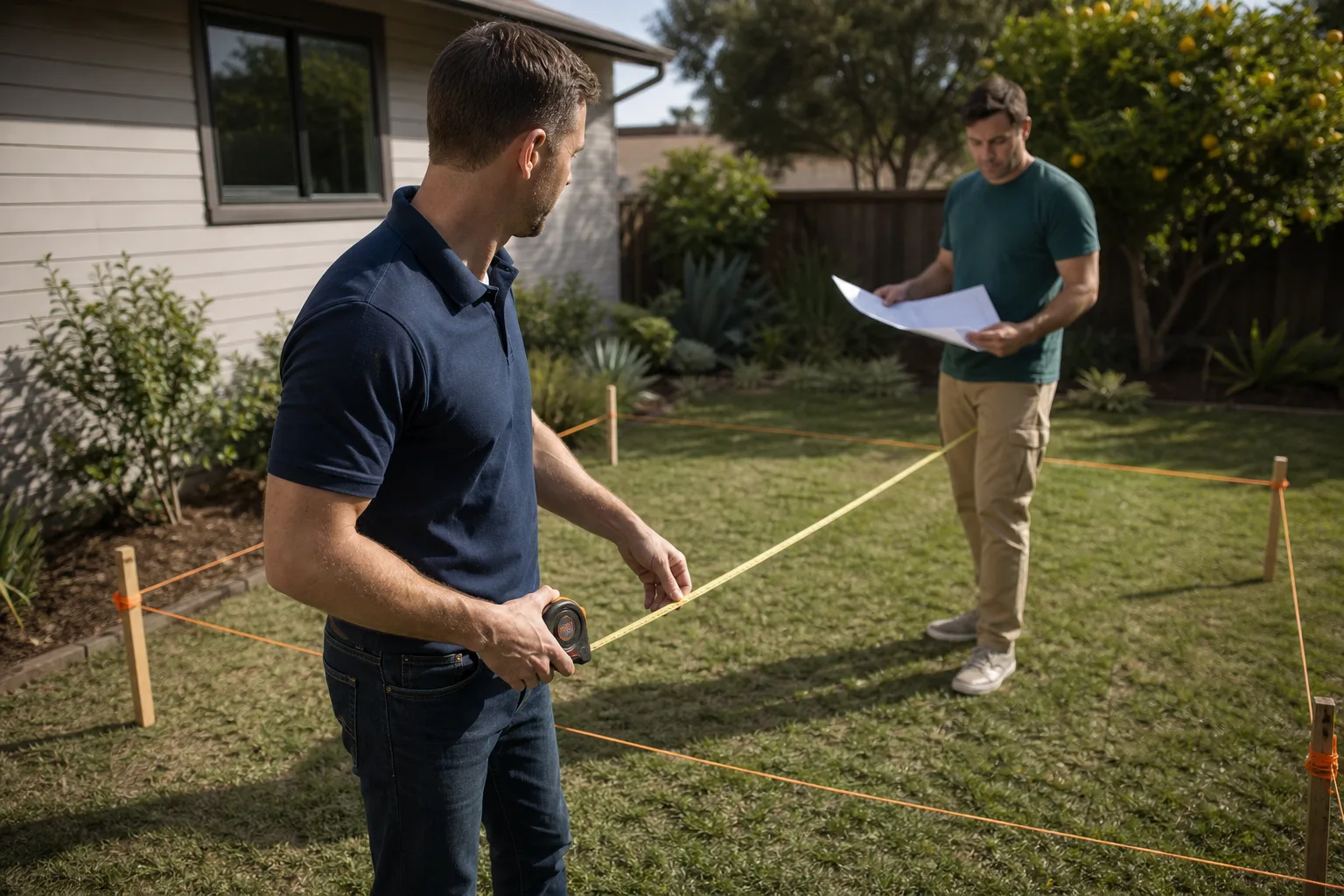
What you can safely do yourself before anyone shows up: walk the lot after a hard rain and note where water pools, mark the locations of any existing trees whose roots matter, and check with the city of Austin for any easements, floodplain boundaries, or heritage tree restrictions on your parcel. Knowing those three things before you call us makes the first conversation practical instead of theoretical. My approach with every lot is the same: let’s look at what the space actually needs before we talk about what it could become.
If the pad is already poured and you’re dealing with a failed utility line or drainage that’s actively causing problems, call us at (254) 615-3842. We’ll get eyes on it and tell you honestly what it takes to fix.
FAQs
When done correctly, the site prep should last the life of the home. The failure point in Austin is almost always clay soil movement, which is why we require soil testing and compaction records before we sign off on any pad. A properly prepared site on Austin clay can handle our wet-dry cycles indefinitely; one that skipped those steps will show cracks within the first five years.
Sometimes. Drainage and grading issues can often be corrected with fill, swales, and added drainage features without touching the foundation. Utility trench failures can be re-trenched and re-bedded. Foundation cracks from movement usually can’t be fixed by patching; the soil underneath has to be stabilized or the slab has to be addressed structurally. Call (254) 615-3842 and we’ll tell you which situation you have after a site visit.
Drainage and grading corrections usually run three to five working days. Utility trench rework is typically four to seven days, including re-inspection. A full foundation fix can take two to four weeks depending on weather and what the engineer specifies. Every estimate includes a schedule, and we stick to it unless the city inspection schedule or the weather forces otherwise.
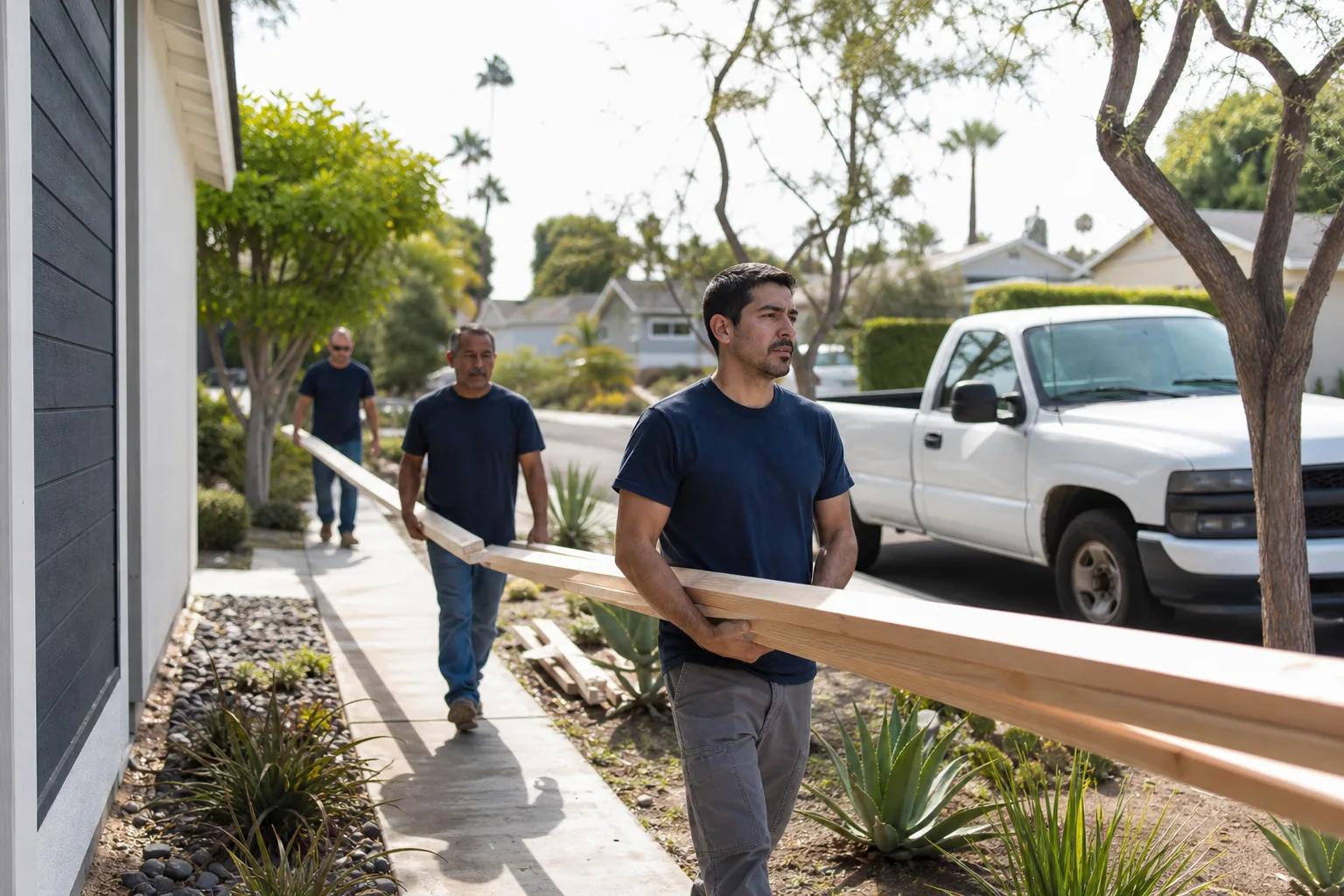
Yes. We stock the conduit, service lines, boxes, and drainage components that Dvele site plans call for, and our crews carry the common fittings on the truck so a missing elbow doesn’t add a day to your schedule. We also work with Abodu and Cover, so if your plans change or you’re comparing systems, the utility conversation carries over without anyone missing a beat.
It will not, unless the scope changes because we find something hidden under the surface that no one could have known about before we opened the ground. If that happens, you’ll hear about it before we spend a dollar more, in writing, with options. No surprises on the invoice is the standard, not the hope. Call (254) 615-3842 for a free estimate and a straight answer on what your lot actually needs.
Written by Ben Ortega, Owner, Seedling ADU Austin at Seedling ADU Austin, serving Austin and nearby areas.