Dvele ADU Design & Permitting: The Austin Owner’s Guide
Dvele ADU design and permitting in Austin typically runs $8,500 to $14,500 for a full permit set, with design fees accounting for roughly $3,500 to $6,000 of that total, and we can usually get a survey and initial site assessment scheduled within five to seven business days. Most owners reach out to us after discovering their Dvele unit’s original California-based drawings don’t meet Texas residential code requirements, or after the City of Austin’s Development Services Department has kicked back a permit application for missing structural details, energy compliance documentation, or site-specific foundation engineering. The frustration is real: you own a beautiful prefab home, the factory drawings exist, and yet the permit still sits in limbo because nobody translated those documents for Travis County and Austin’s specific overlay rules.
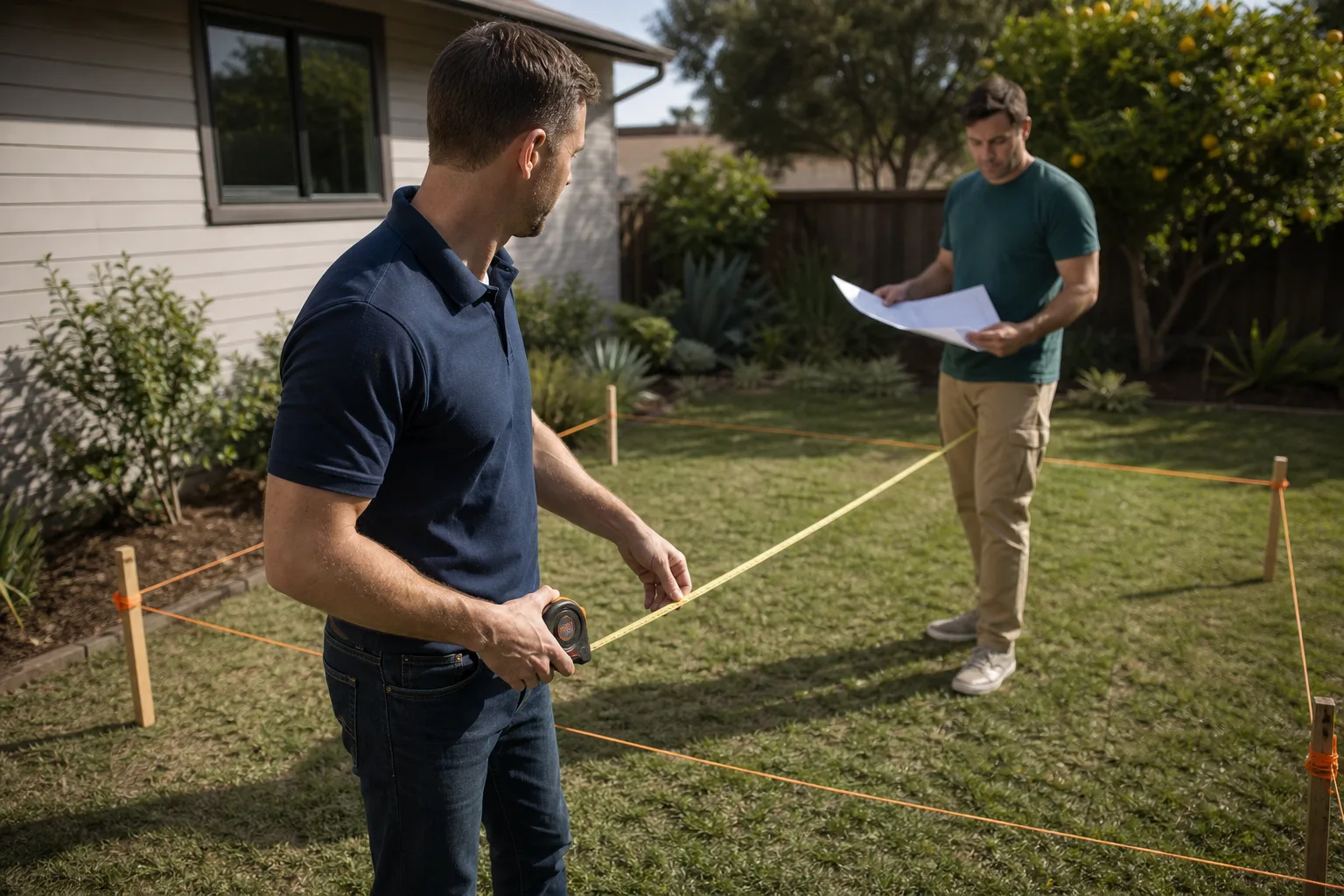
Let’s look at what the space actually needs before we talk about what it could become. That’s the approach we take with every Dvele project in Austin, and it’s why our first step is always a straight conversation about your lot, your existing utilities, and what the city will actually approve, not what a brochure promises.
Which Dvele Models This Applies To
We work with the full Dvele product line: the Dvele IQ, the Dvele Adapt, and the Dvele Origin series, all of which ship as panelized or modular systems that need local adaptation for Texas wind loads, soil conditions, and the Austin Energy Green Building requirements that differ substantially from California’s Title 24 framework. The critical compatibility issue we see repeatedly is this: Dvele’s factory documentation references California Building Code (CBC) chapters and CALGreen compliance paths, but Austin enforces the International Residential Code (IRC) with local amendments, and a permit reviewer here will not accept a CBC-referenced energy report without a Texas-specific translation. That single mismatch is the root cause of most Dvele permit delays in Austin.
When it comes to OEM versus aftermarket documentation, think of it this way. The Dvele factory set is like a manufacturer’s repair manual for your car: accurate to the product, but written for a different state’s inspection rules. A local Austin permit set is like a mechanic who knows what the Travis County inspector actually reads. You don’t replace the factory drawings. You supplement them with local structural calcs, a Texas wind load analysis, foundation engineering for Austin’s expansive clay soils, and a Manual J or REScheck energy report formatted for Austin Energy. We’ve done this enough times to know exactly which sheets a Dvele permit packet is missing before we even open the folder.
We’re an independent service provider, not affiliated with Dvele, and we tell every client that up front. But we’ve spent years working with their homes and their factory documentation, which means we already know the product language and don’t have to learn it on your dime.
Signs Your Dvele ADU Design & Permitting Is Failing
- The city rejected your permit application with a code-compliance notice. This is the most common entry point. Austin Development Services will flag missing Texas wind load calcs, absent geotechnical reports, or energy compliance docs that reference California standards instead of Austin’s IECC 2021 baseline with local amendments. The rejection letter is usually technical but fixable.
- Your Dvele factory drawings don’t match your actual lot conditions. Austin lots are rarely flat. If the factory foundation plan assumes a level pad and your lot slopes six feet from back corner to front, you need a local grading plan and possibly a retaining wall detail that the original drawings never anticipated. Crestview lots, in particular, have drainage quirks that generic California drawings simply don’t address.
- The project has stalled for more than 45 days with no city feedback. Austin permits move slowly, but a complete packet gets a response. Silence usually means the submittal is missing something obvious enough that the reviewer set it aside. It’s the permit equivalent of a check-engine light that hasn’t been scanned yet.
- Your general contractor or installer is asking questions the drawings don’t answer. If the electrician can’t find a panel schedule, or the plumber can’t locate a cleanout detail, or the framer can’t determine truss spacing from sheet S3, the design set is incomplete for construction. Factory drawings assume factory sequencing; Austin field crews need field-level detail.
- You received a quote for “design revisions” without a clear list of what’s being revised. A design package that’s already been through two rounds of corrections and still doesn’t include a Texas energy report or a local structural stamp is a package that hasn’t actually been localized. You deserve a line-item list of every sheet that’s changing and why.
Replacement Cost & What’s Included
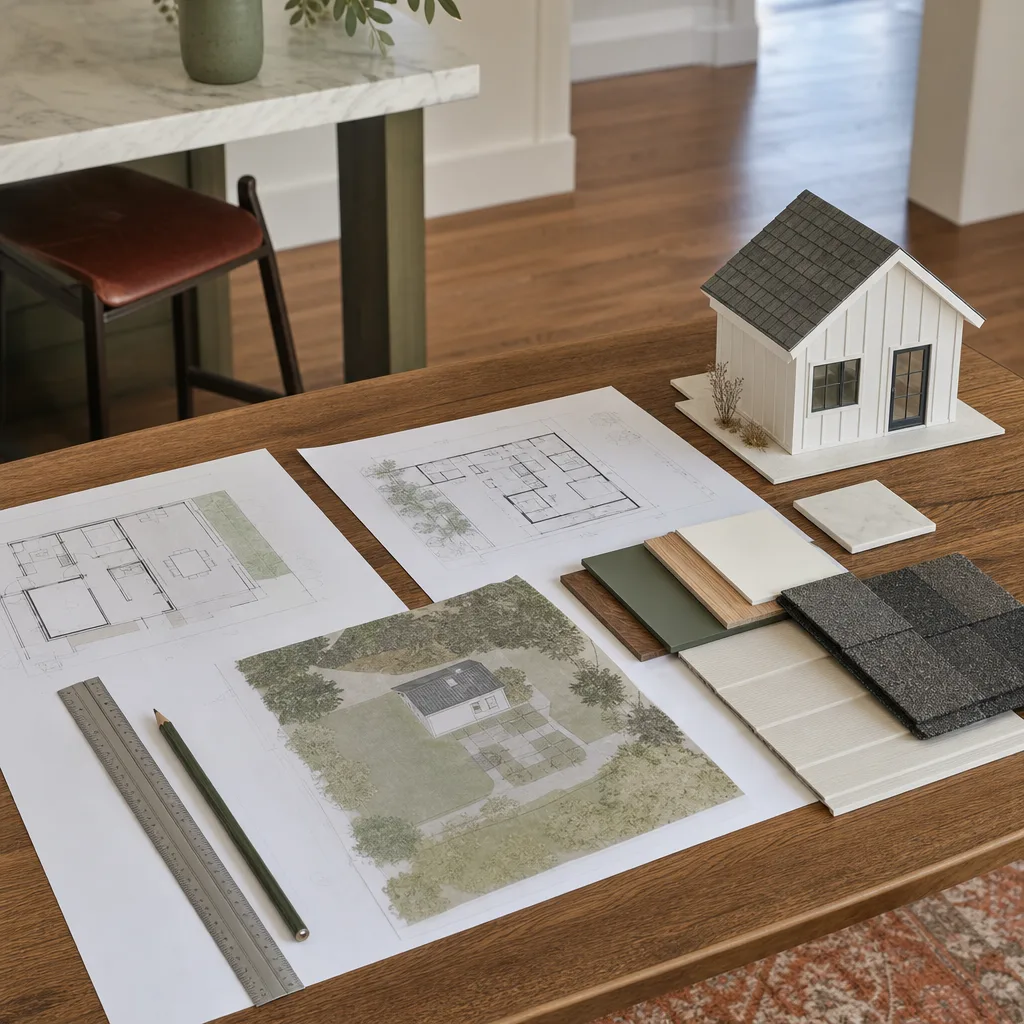
For an Austin Dvele ADU, a complete local permit set including design adaptation, structural engineering, energy compliance, and permitting runs $8,500 to $14,500, depending on lot complexity, whether you need a grading plan, and how much of the factory documentation can be carried forward. If you only need a targeted revision, like a wind load analysis and a REScheck energy report, you’re looking at $1,800 to $3,200. Here’s how the full package breaks down in Austin:
| Scope | Typical Austin Cost |
|---|---|
| Site assessment, survey review, and lot analysis | $900 – $1,500 |
| Local adaptation of Dvele factory drawings for IRC compliance | $2,500 – $4,000 |
| Structural engineering (wind load, foundation, lateral) | $1,800 – $3,500 |
| Energy compliance report (REScheck or Manual J) | $600 – $1,000 |
| City of Austin permit application and submission | $1,200 – $2,000 |
| Permit review response and resubmission (up to 2 rounds) | $1,500 – $2,500 |
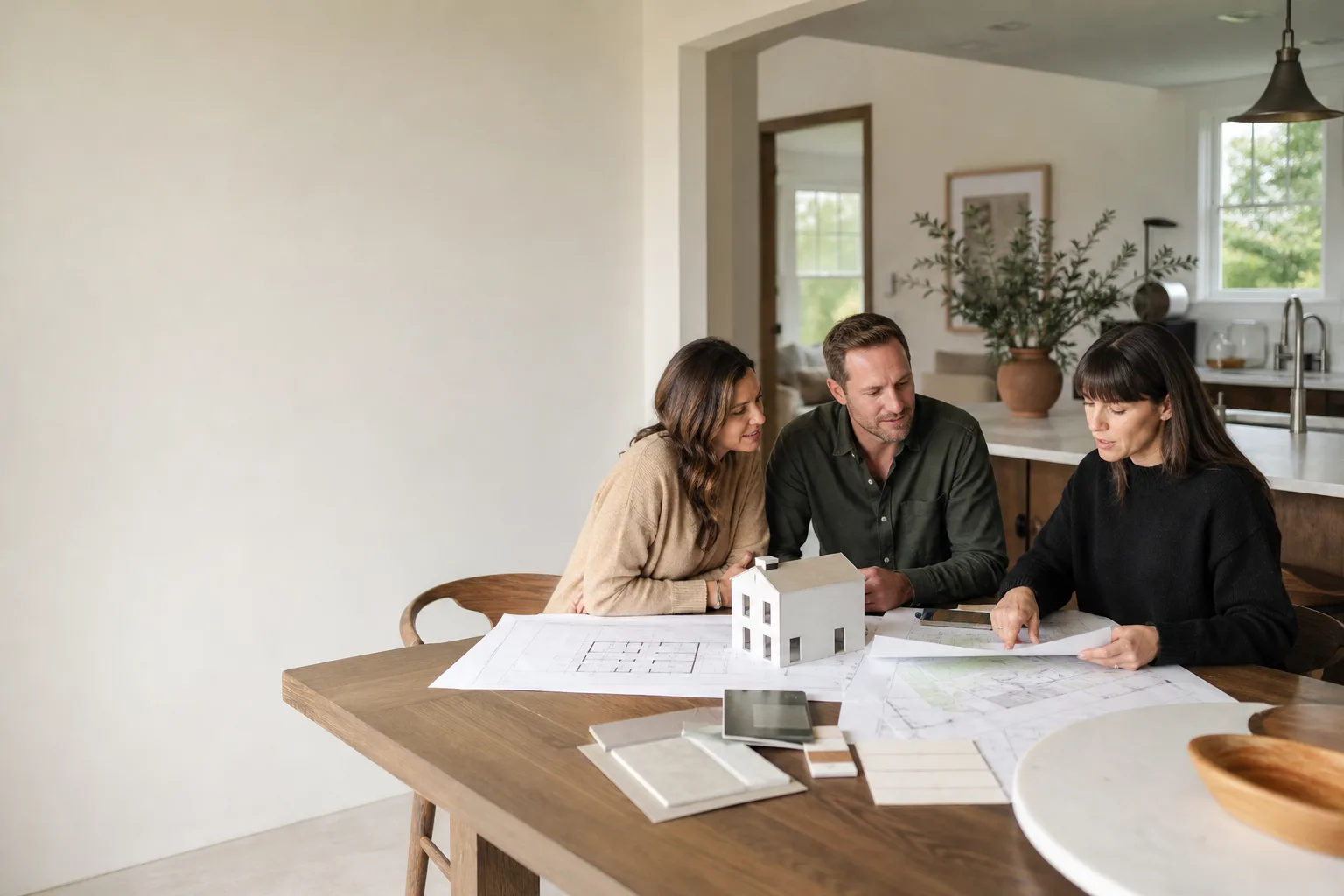
Every dollar of that is written down before we start. No change orders appear mid-project because we walk you through the estimate line by line before a single application is filed. Ben Ortega has a habit of sitting down with every client and going through the permit packet page by page, so you know exactly what you’re paying for and why the city wants it. The work is covered by our 365-Day Done Right Promise: if the permit set isn’t right, we make it right.
DIY or Call Us?
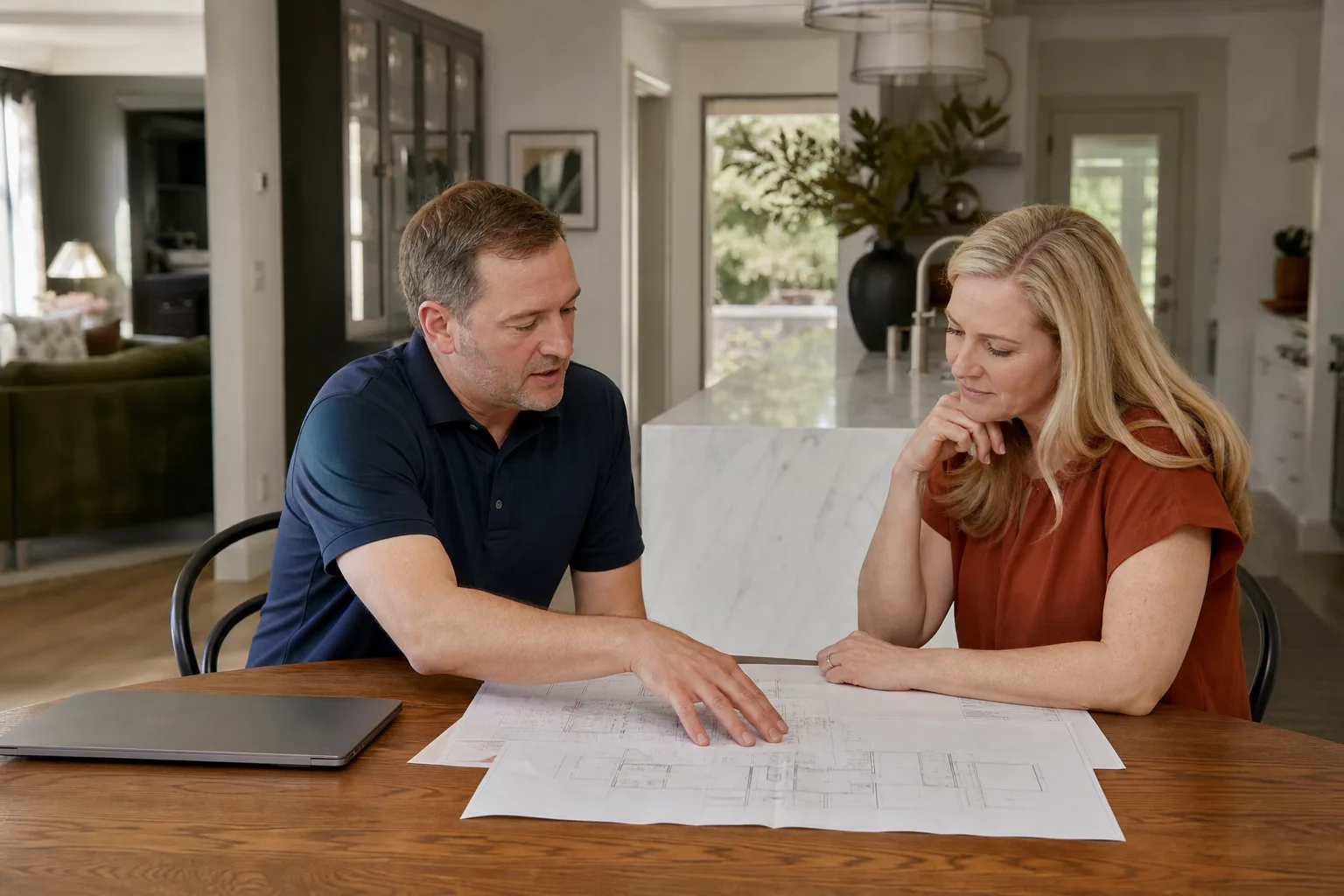
You can absolutely identify which documents are missing. Pull out your Dvele factory packet and check for three things: a Texas wind load analysis, an Austin-specific energy compliance report, and a foundation plan that accounts for your lot’s actual slope. If any of those are absent, your permit will stall. You can also call Austin Development Services at (254) 615-3842 and ask for a prescreen review of your submittal, which is a useful way to get early feedback without paying a consultant.
What you shouldn’t do is attempt to generate structural calculations or energy models yourself. Austin requires a Texas-licensed professional engineer’s stamp on foundation and wind load documents, and Austin Energy’s compliance reviewers are specific about report formatting. A homeowner-prepared packet that’s missing a PE stamp goes to the bottom of the queue. If you’ve already been rejected once, or if your lot has any slope at all, call us at (254) 615-3842 and let us sort out what’s actually holding the permit up. We’ve cleared enough of these to know where the snags hide.
FAQs
Once your packet is complete and correctly formatted for Austin’s review standards, expect 8 to 14 weeks for the first round of review, with resubmissions adding 3 to 5 weeks per round depending on current workload at the Development Services Department. Incomplete packets can sit for months without action. That’s why we front-load the engineering and energy compliance before we ever submit.
Yes, in most cases. The factory architecture is sound; what’s missing is the Texas-specific engineering layer. We keep the Dvele envelope, floor plan, and mechanical layout as-is, then add local structural stamps, wind calcs, and an Austin energy report. It’s a repair to the documentation, not a redesign of your home. Call (254) 615-3842 if you want us to look at what you already have and tell you honestly whether a repair is enough.
From first site visit to a complete, submittable packet is typically 4 to 6 weeks. Factors that extend the timeline include waiting on survey records from Travis County, scheduling a geotechnical report if your lot hasn’t had one, and any back-and-forth with Dvele’s factory team for missing product data. We’ll give you a written timeline before we start and update it if the city changes its own review windows.
Yes. We keep the common documentation templates, Austin-specific code references, and engineering contacts in-house, and we work regularly with Abodu, Cover, and other prefab brands, so the Dvele permitting path is one we’ve walked before. If you’re ready to get the paperwork moving, call (254) 615-3842 for a free estimate and a straightforward read on what your project actually needs.
If you’re tired of the permit loop and want a permit set that Austin reviewers will actually approve, call us at (254) 615-3842. We’ll walk you through every sheet, every calculation, and every city requirement before we file anything, and we’ll give you a written price so you know the cost before you commit.
Written by Ben Ortega, Owner, Seedling ADU Austin at Seedling ADU Austin, serving Austin and nearby areas.