Plant Prefab Site Prep & Utilities: The Austin Owner’s Guide
Site prep and utility work for a Plant Prefab home in Austin typically runs $18,000 to $45,000 depending on lot conditions, easement access, and how far crews need to trench from street connections to the foundation pad. That covers excavation, grading, compaction, foundation support, and running water, sewer, and electrical lines to the unit. Owners usually discover something has gone wrong in one of two ways: the prefab delivery is scheduled and the pad still isn’t certified, or the city inspector flags the utility trench depth before final sign-off.
Most of what fails on a Plant Prefab site prep job isn’t the prefab module itself. It’s the Austin soil underneath it and the trench work that feeds it. Blackland prairie clay shifts dramatically between wet and dry seasons here. A pad that looks perfect in March can develop a low corner by July. If your delivery window is approaching and the dirt isn’t cooperating, or if the inspector wrote up the electrical stub-out, you’re in the right place.
We’re Seedling ADU Austin, an independent service provider. We’re not affiliated with Plant Prefab, but we work with their panels and modules regularly because they make a solid product that fits well on Austin lots. We handle the dirt, the concrete, and the utilities so the factory-built part of your project doesn’t sit on a flawed foundation.
Which Plant Prefab Models This Applies To
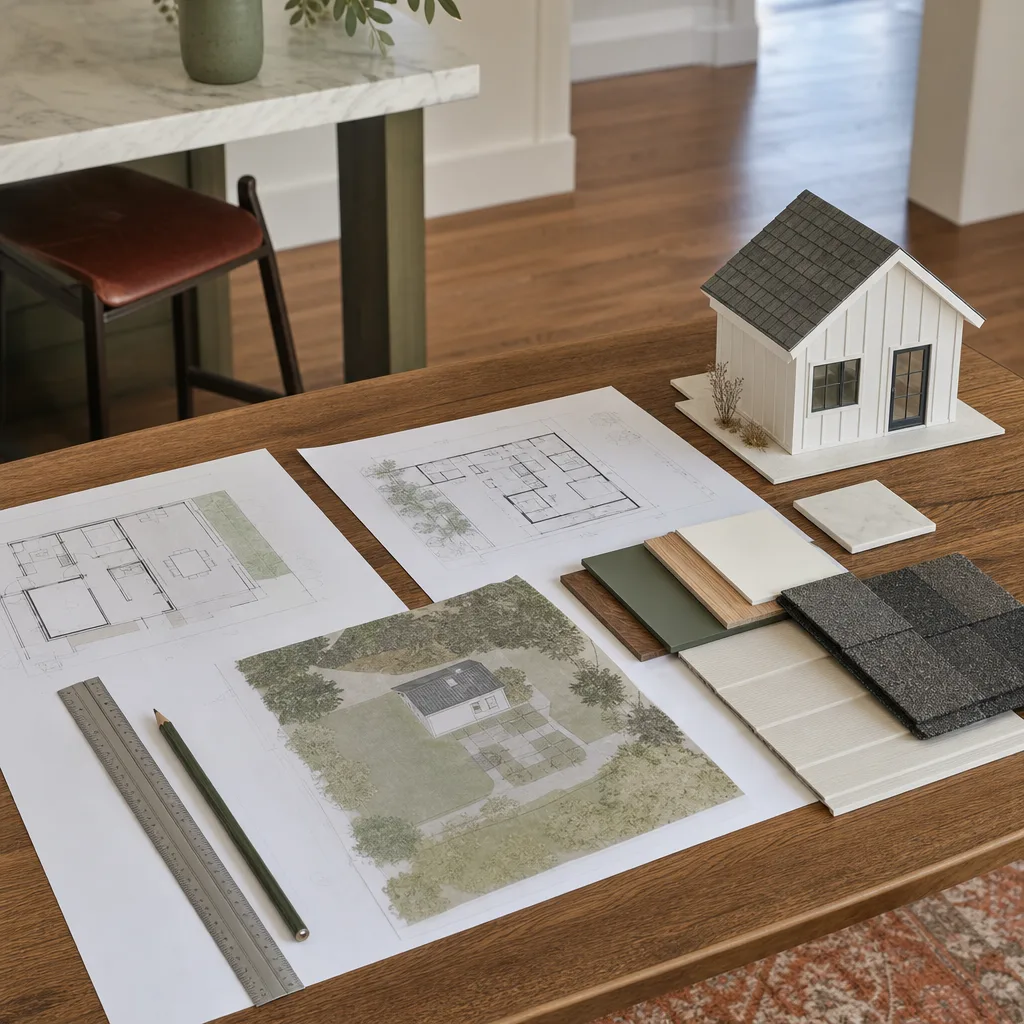
Plant Prefab’s current lineup includes the Passivhaus-certified LivingHome series and the more compact LivingHome YB line, plus custom panelized builds. Site prep requirements are essentially identical across these models because Plant Prefab standardizes on a slab-on-grade or crawlspace foundation depending on local conditions, not per model trim.
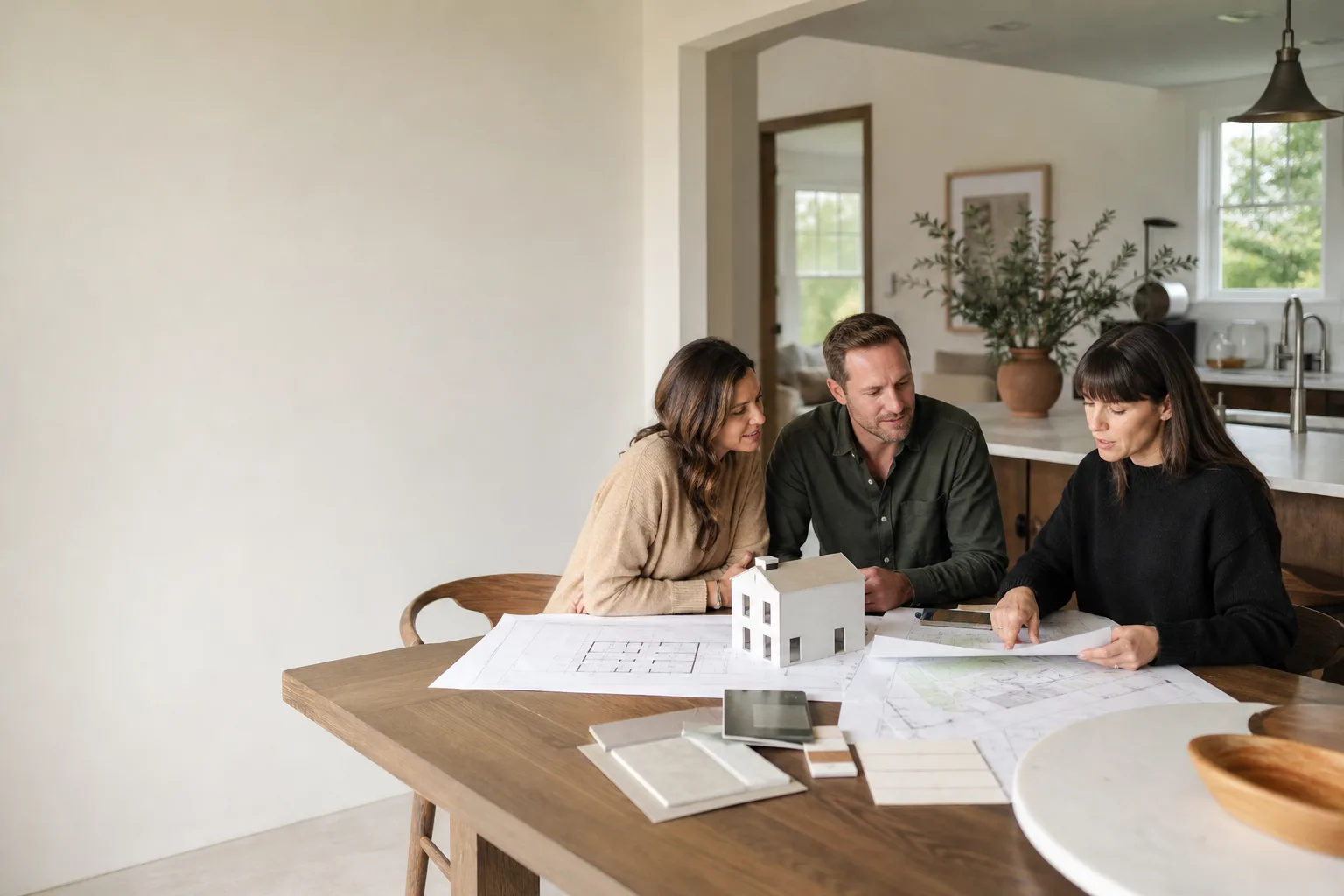
What you really need to match is your civil engineering package, not your model name. Your permit set should list the required pad dimensions, the electrical service amperage (commonly 100A or 200A for Plant Prefab units in Austin), and the sewer invert depth. If you bought a used or previously-owned Plant Prefab module, the original engineering package is the single most valuable document you can have. Without it, an Austin foundation crew is guessing at load points and utility stub locations.
One compatibility gotcha we see regularly: older Plant Prefab panels built before 2020 sometimes used a slightly different bottom track detail than current production. It’s not a defect, but it changes how the sill plate anchors to the foundation. If your module serial number starts with “PP19” or earlier, we check the underside connection detail before final anchor bolt layout. It’s a fifteen-minute look that saves a day of rework during set day.
On OEM versus aftermarket for site utilities: there’s no Plant Prefab-branded conduit or pipe. The parts are standard Austin building supply materials, matched to city code. What matters is the spec, not the brand. We stock schedule 40 PVC for underground runs, 2-inch conduit for panel feeds, and cast iron or heavy-wall PVC for sewer lines depending on what Austin Water Utilities requires on your street.
Signs Your Plant Prefab Site Prep & Utilities Is Failing
- Pad corner settling or visible cracks in the slab edge. Austin’s clay soil expands and contracts hard during dry spells and wet weeks. If one corner dips more than 3/8 inch over a 10-foot span, the module won’t sit level on set day. This is usually a compaction or moisture-control issue underneath the slab.
- Water pooling at the foundation after a rain. The pad should have positive drainage on all four sides. If water sits against the slab edge for more than a few hours after rain, your swale or perimeter drain isn’t doing its job. Standing water against a Plant Prefab panel bottom track invites rust and fastener corrosion over time.
- Trench collapse or exposed utility conduit. Shallow-buried electrical or plumbing lines can surface after soil settles. If you can see the gray PVC pipe above grade anywhere between your house and the foundation pad, the trench wasn’t deep enough or wasn’t compacted properly when backfilled.
- City inspector red-tag on the utility stub-out. Austin Energy and Austin Water have specific requirements for meter placement, conduit depth, and cleanout location. A red tag usually means something measurable failed: wrong conduit size, missing pull string, cleanout tucked where a future plumber can’t reach it. We fix these to the letter of the current code.
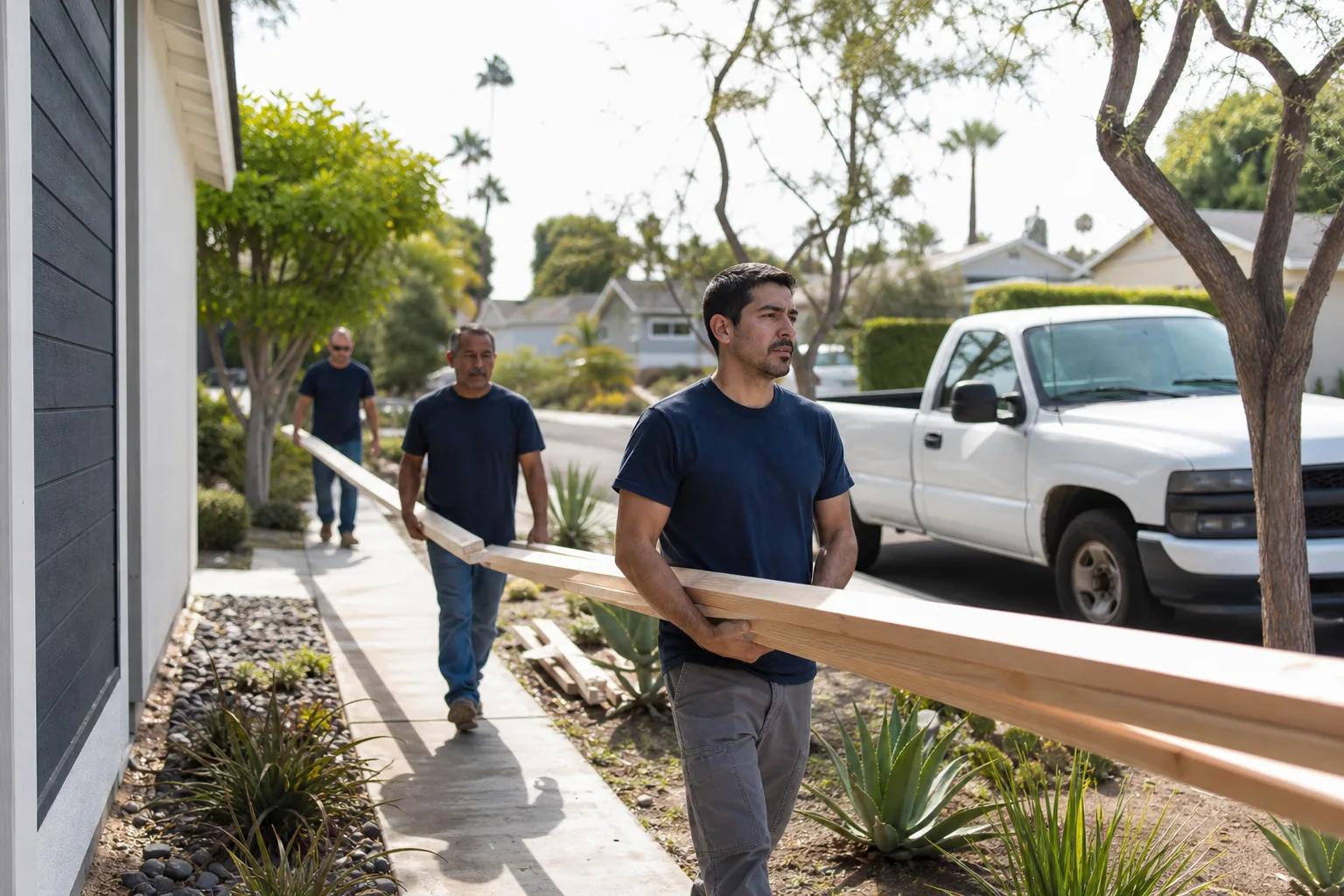
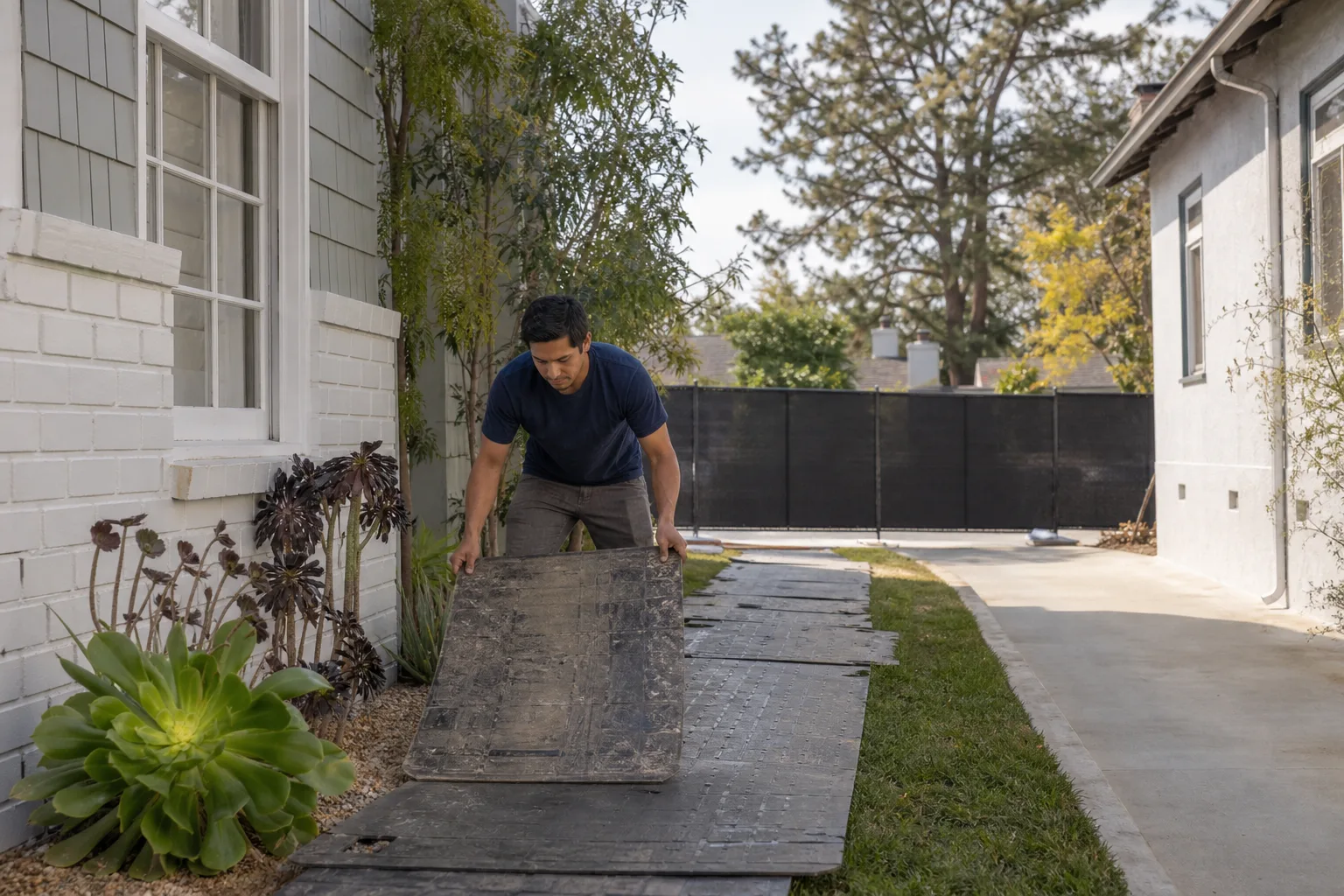
- Delivery truck can’t position on the lot. Plant Prefab modules arrive on wide-load trailers. If the access path from the street to the pad crosses an easement, a neighbor’s fence line, or a section of grade that’s too steep or too soft, delivery day becomes a problem. This is site prep in its truest form: making the lot accessible before the module ever leaves the factory.
Replacement Cost & What’s Included
Full site prep and utilities for a Plant Prefab unit in Austin breaks down like this:
- Excavation, grading, and compaction: $4,500 – $9,000 depending on lot slope, tree root removal, and how much fill needs to be hauled in or out.
- Foundation pad (slab or crawlspace): $8,000 – $16,000 for the typical Plant Prefab footprint. Pier and beam runs higher on sloped lots.
- Water line trench and connection: $2,500 – $5,000 depending on distance from the meter and whether you’re boring under existing concrete.
- Sewer line trench and connection: $3,500 – $7,000 if the main is in the street, more if it’s across the lot or the invert depth is deep.
- Electrical service trench, conduit, and panel set: $3,000 – $6,000 for a 100A – 200A service, depending on distance from the transformer and whether overhead or underground service is required.
What drives the range in Austin specifically? First, soil type. East Austin blackland clay needs different compaction than the limestone-heavy ground west of MoPac. Second, the position of your existing home. If the utilities run across a driveway you want to keep intact, boring costs more than open trenching. Third, tree protection. Austin’s heritage tree ordinance means a mature oak near the utility path can require root pruning or directional boring, which adds labor hours.
Every line item gets written down before any tool starts. That’s a Seedling habit and it’s non-negotiable. Your family sees the full price before crews show up, and the number doesn’t change unless the scope changes. The work is covered by our 365-Day Done Right Promise: if anything isn’t right, we come back and make it right.
DIY or Call Us?
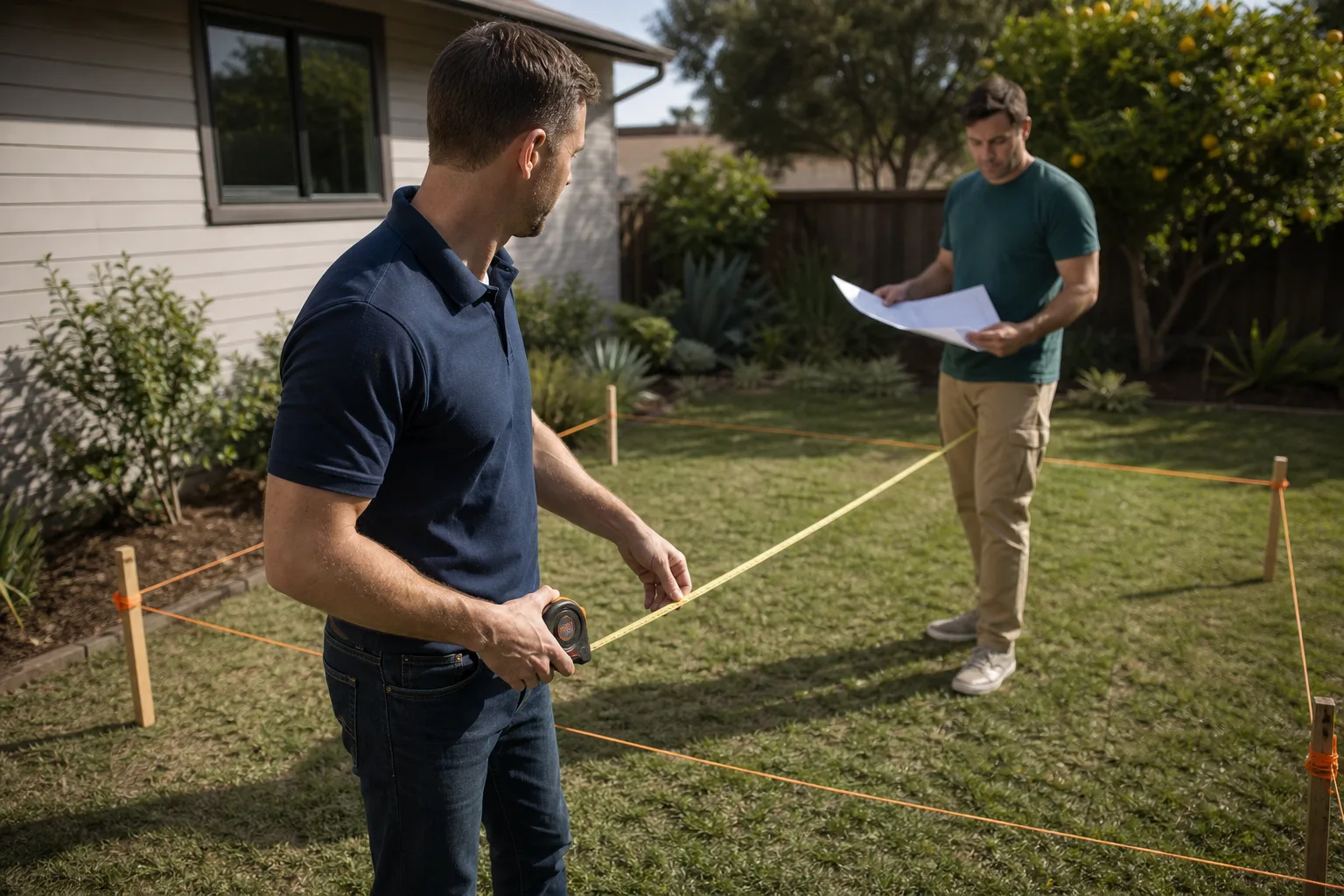
You can safely do the testing part. Mark your pad corners with stakes and check them with a string level on a dry morning. Watch where water pools after a storm. Look for exposed conduit or pipe. Take photos of the pad from all four sides and keep them in a folder for your builder or inspector. Understanding what you’re looking at is safe and useful.
What you shouldn’t DIY is any excavation deeper than a fence post or any connection to city water, sewer, or electrical service. Trench walls in Austin clay collapse without shoring. A gas line strike or an electrical conduit cut can injure someone seriously. Austin Water and Austin Energy require licensed contractors for utility connections, and doing it wrong gets your project red-tagged, which costs more to fix than to do properly the first time.
If something looks off with your pad or utility stub, call us at (254) 615-3842. We’ll come look, tell you what’s happening, and give you a written price for what the fix actually needs. Not what it might need. What it needs.
FAQs
A properly compacted pad with correct drainage should stay level for the life of the prefab unit, which is typically 50 years or more. The utility lines themselves are rated for decades. What fails first in Austin is usually drainage: soil movement redirects water toward the pad, and the perimeter swale needs re-cutting. Fixing drainage before it undercuts the slab is far cheaper than leveling a settled foundation later. Call (254) 615-3842 if your pad has any water pooling after rain, and we’ll assess it for free.
In most cases, the specific failing element can be repaired without a full teardown. A low corner can be lifted with slab jacking or helical piers. A collapsed trench can be re-dug and properly compacted. A failing swale can be re-graded. Full pad replacement is rare and usually only necessary when the original compaction was never done correctly. We’ll tell you which category you’re in after one site visit. Estimates are free, so call (254) 615-3842 and we’ll schedule a time to look.
Most repairs run 2 to 5 working days depending on the specific problem. Drainage regrading is usually one day. Trench repair and reconnection is 2 to 3 days including inspection. Pad leveling can take a week if piers are involved and the slab needs time to settle. We’ll give you a schedule before work starts, and a live person answers the phone around the clock if anything changes mid-project. Call (254) 615-3842 and we’ll talk through your timeline.
Yes. We keep schedule 40 PVC, electrical conduit in the sizes Austin Energy commonly approves, backflow preventers, sewer cleanout assemblies, and anchor bolt templates on our trucks. For Plant Prefab specifically, we’re already familiar with the bottom track detail on both current and older panels, so we arrive with the right fasteners instead of making a second trip to the supply house. If you need something unusual, we’ll source it and show you the receipt. Call (254) 615-3842 to confirm stock for your specific fix.
If you already have a Plant Prefab unit ordered or delivered and you’re looking at a site prep problem, let’s look at what the space actually needs before we talk about what it could become. Ben Ortega has walked hundreds of Austin lots and knows which ones need extra compacting before the first form goes in. He grew up in Los Angeles, trained at LA Trade-Technical College, and has spent years doing ADU work in Austin neighborhoods like Crestview, where the older lots have room but plenty of quirks under the soil. You’ll get a straight answer about your pad, your utilities, and your price.
Call (254) 615-3842 to schedule a free site assessment. We’ll come out, look at the dirt, the pad, and the trench lines, and hand you a written estimate before anyone touches a shovel.
Written by Ben Ortega, Owner, Seedling ADU Austin at Seedling ADU Austin, serving Austin and nearby areas.