Abodu Site Prep & Utilities: The Austin Owner’s Guide
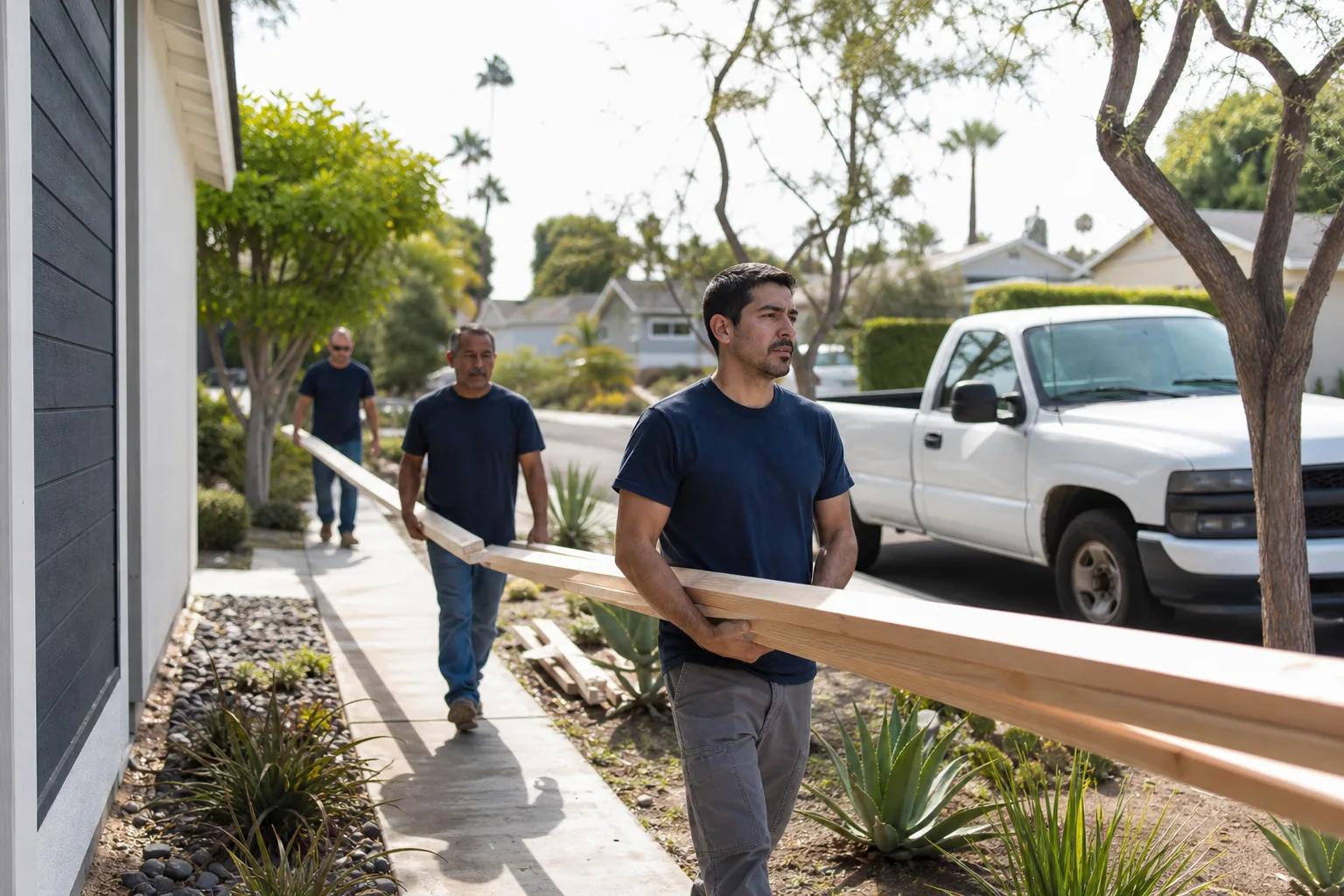
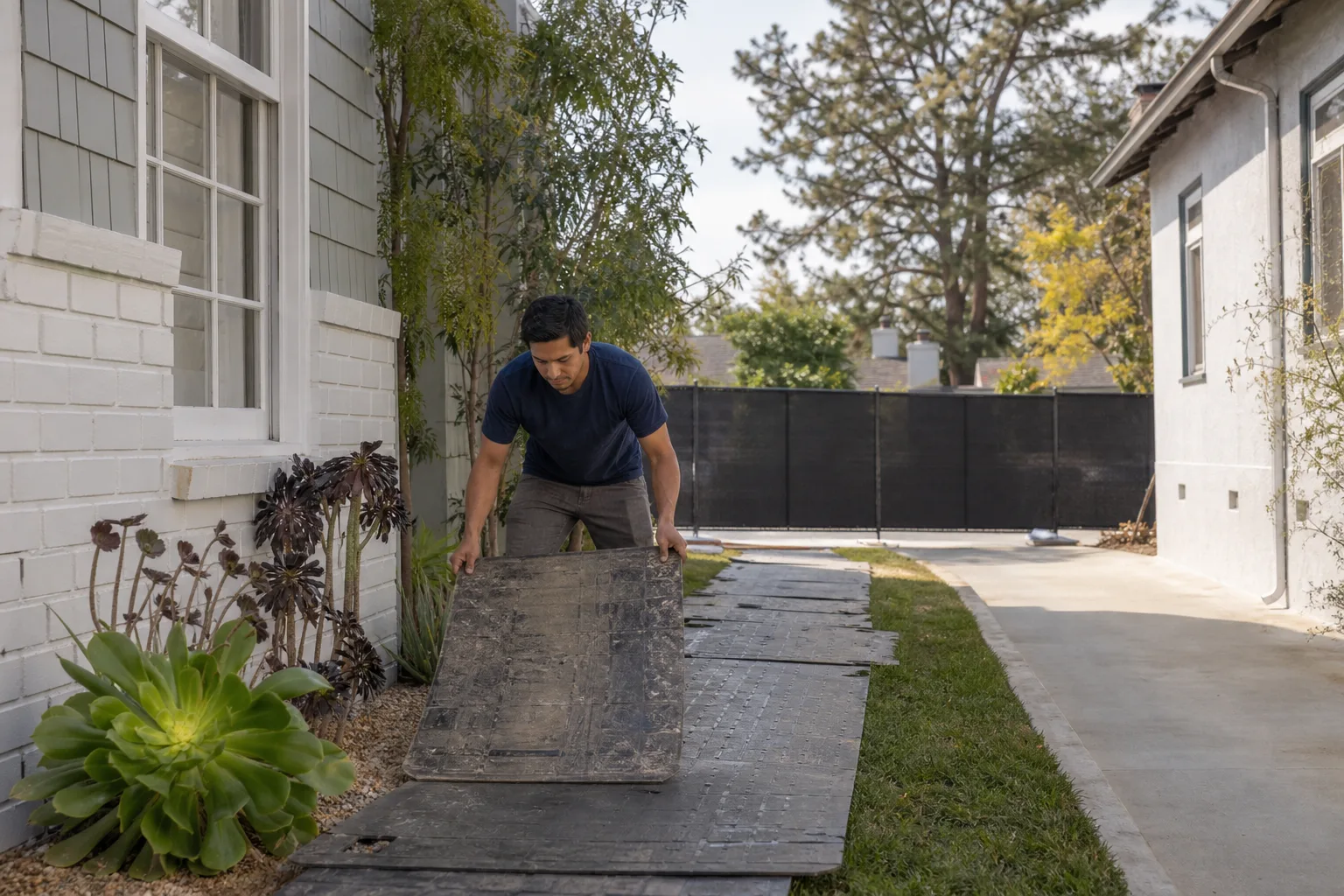
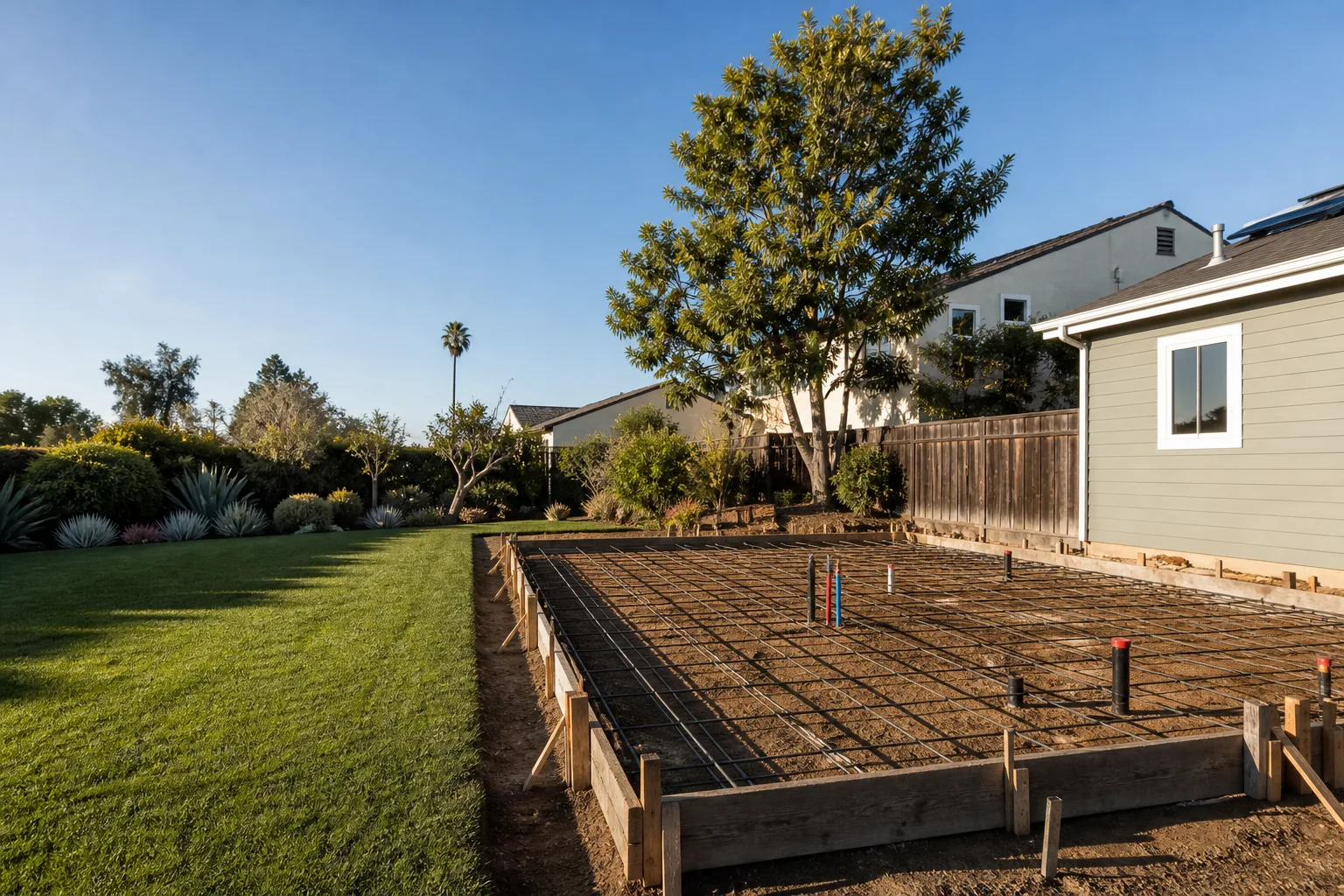
Site prep and utility work for an Abodu ADU in Austin typically runs $18,000 to $45,000 depending on your lot’s slope, soil, and how far the utility lines need to travel from the street or main house. We handle the full scope: clearing, grading, foundation prep, trenching, and connecting water, sewer, electrical, and gas. Most owners discover a problem here not because something “broke,” but because their Abodu delivery date is approaching and the site isn’t ready, or because a trenched line was installed by someone else and now the ground is settling, the water pressure is weak, or a conduit has collapsed.
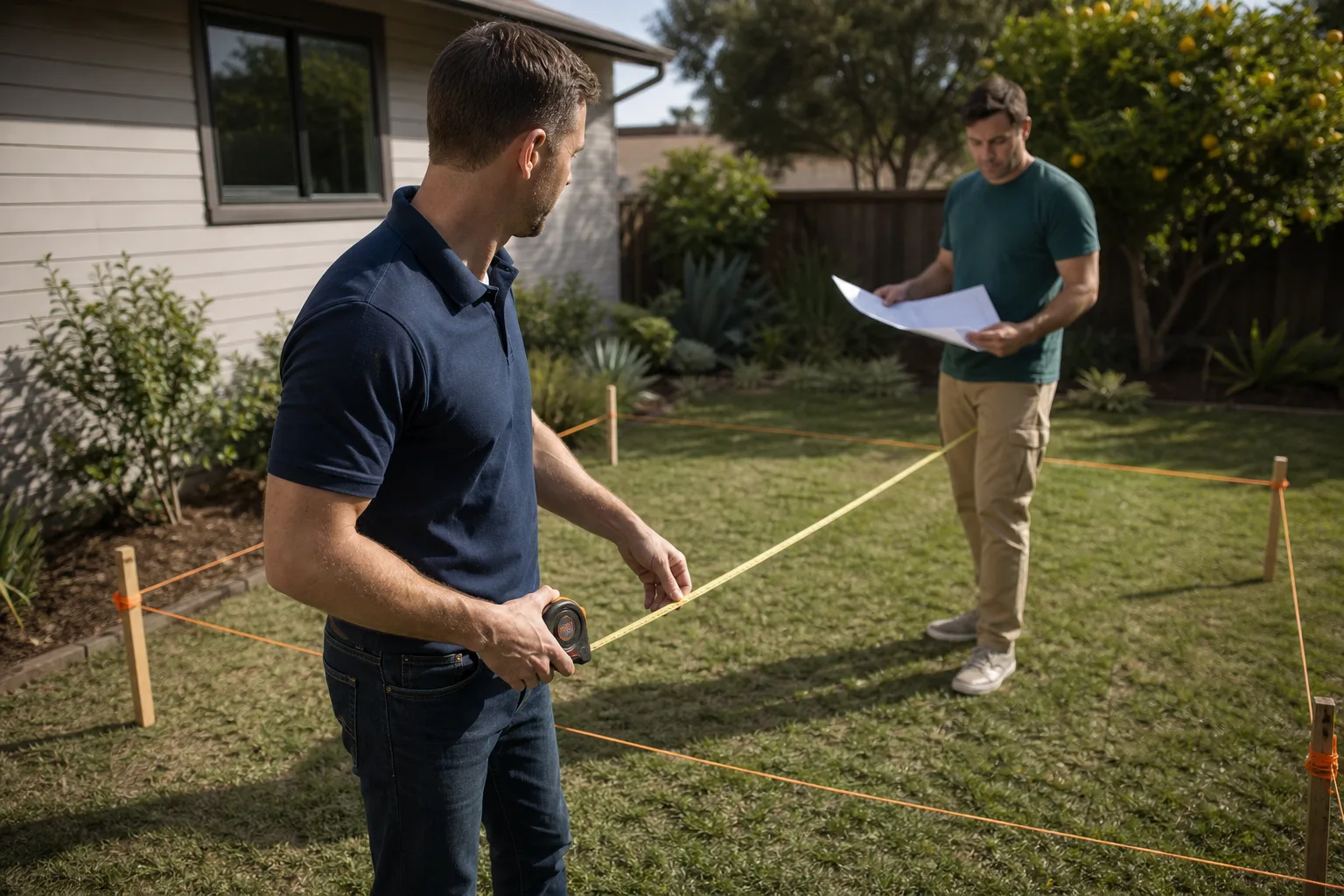
If you’re reading this, you’re likely in one of two situations: your Abodu unit is on order and you need the site work done right the first time, or you’ve had site work done and something underneath the surface isn’t working. Either way, we walk the lot with you, point at the actual ground where the lines will run, and give you a written price before any equipment shows up.
Key takeaways:
- Abodu site prep in Austin typically costs $18,000 – $45,000 depending on soil, slope, and utility distances
- We trench, grade, pour foundations, and connect all utilities: water, sewer, electric, gas
- Written line-item pricing before work starts, always
- 365-Day Done Right Promise covers every site prep and utility job we complete
- We stock the common Abodu-compatible utility fittings and conduit on our trucks
Seedling ADU Austin is an independent contractor, not affiliated with Abodu. We work with Abodu units because their specs are consistent and we know what their panels, connections, and foundation requirements expect.
Which Abodu Models This Applies To
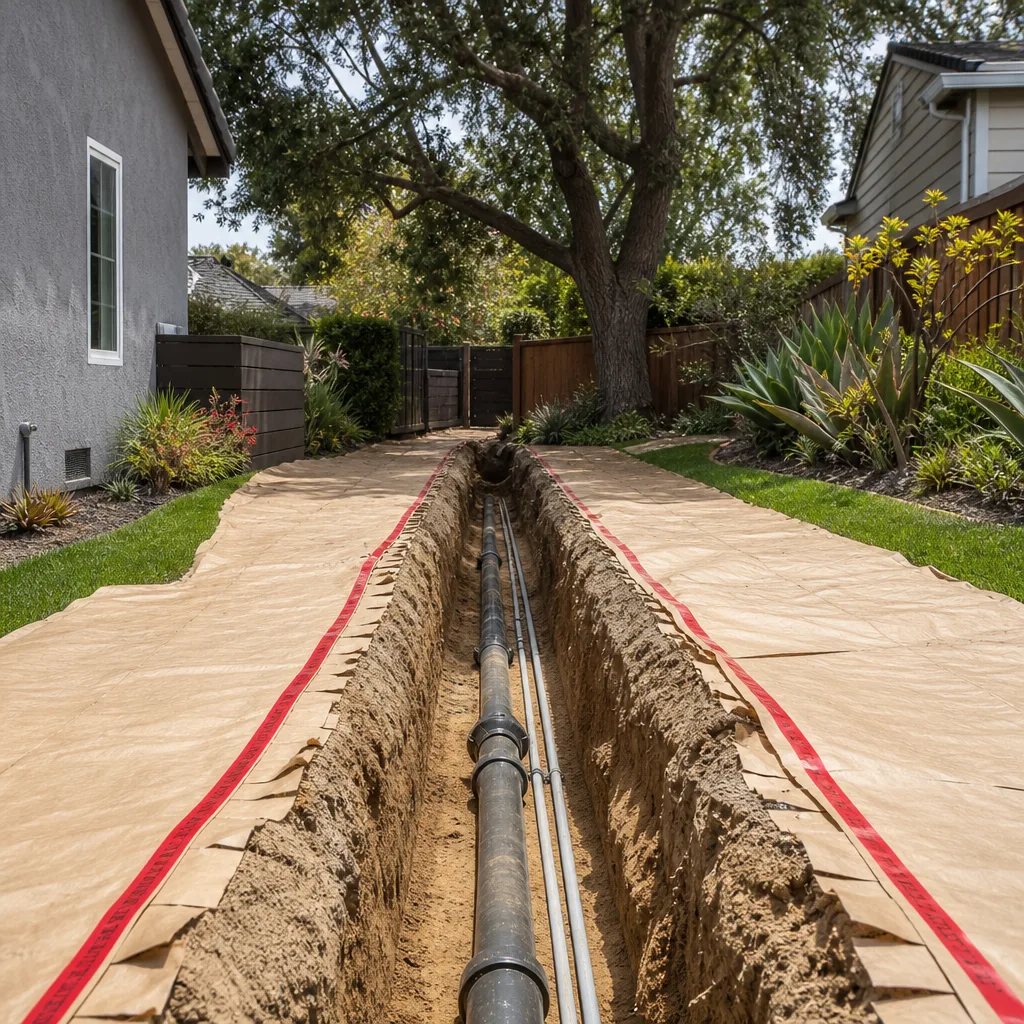
We handle site prep and utility stubs for every Abodu model currently being delivered in Austin: the Abodu Studio, the One Bedroom, and the Two Bedroom. The utility requirements shift with the model, mostly around electrical service size and whether the unit pulls gas or runs all-electric. Abodu’s standard connection points are documented and consistent, but the tricky part in Austin is that the utility stub locations on the unit don’t always line up with where the city wants your meter or where the sewer lateral sits.
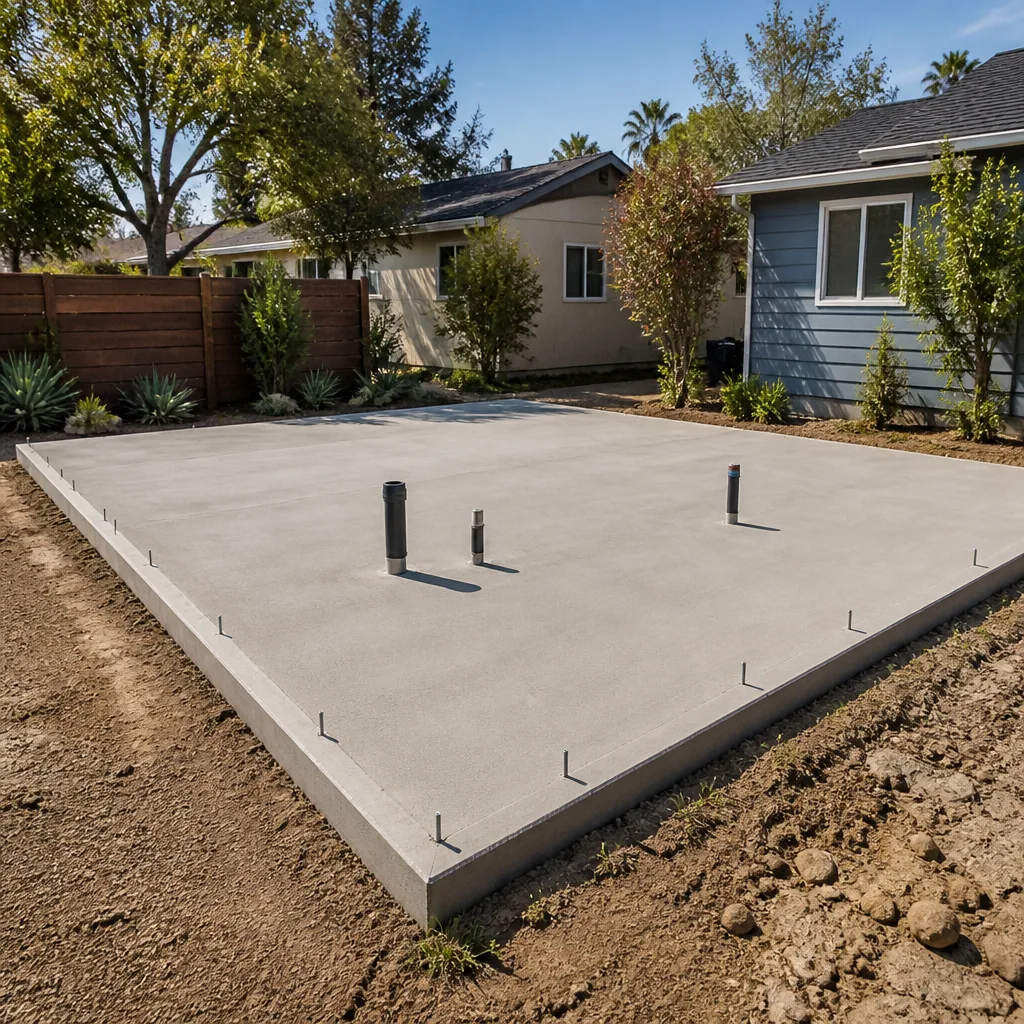
Here’s what matters: Abodu units arrive with connection points at specific spots along the foundation line, typically within a few inches of the published spec. We don’t guess. We pull the exact cut sheet for your unit and set the stubs to match before the slab is poured. The gotcha we see on older lots in neighborhoods like Crestview or Brentwood is that the existing sewer lateral runs somewhere unexpected, often under a mature oak or along a fence line the previous owner never mapped. The fix isn’t hard, but it changes the trench route and sometimes the cost. That’s why we walk the lot with a locator before quoting a final number.
For OEM versus aftermarket components, site prep doesn’t have much that carries an Abodu badge. The real decision is about the underground work: whether the electrical conduit is schedule 40 or 80, whether the sewer line is cast iron or PVC, whether the water service is PEX or copper. We use schedule 40 minimum for electrical, solid-core PVC for sewer, and PEX for water service on Abodu stubs because those materials hold up to Austin’s shifting clay soil and are what the units expect to receive.
Signs Your Abodu Site Prep & Utilities Is Failing
- The slab or grade around the unit is settling or cracking. Austin’s Blackland Prairie clay expands and contracts hard through wet and dry seasons. If the fill wasn’t compacted in lifts, or if the slab wasn’t thickened under the unit’s load points, you’ll see cracks at the corners and a door that starts to stick. The underlying cause is soil movement, not the Abodu unit itself.
- Water pressure inside the unit drops when a hose or another fixture runs. This usually means the water service line was undersized or crimped during backfill. A half-inch line where a three-quarter should be, or a tight kink at the meter, will starve the ADU whenever the main house draws water.
- Sewer smells or slow drains inside the ADU. A sag in the sewer lateral, or a joint that separated during backfill, is the common culprit. Austin’s soil shift is enough to pull a poorly bedded pipe apart within a year or two.
- Breakers trip when the ADU’s heat or AC kicks on. If the panel feed was undersized or the wire run from the main is too long for the gauge, the Abodu unit’s heat pump will draw more than the circuit can give. This is a safety issue more than a nuisance and a sign the electrical rough-in was never truly sized for the unit.
- The ground over a trench sinks a few inches after a rain. That’s the tell of poor compaction. The trench was backfilled too fast. It won’t fix itself, and in Austin it tends to get worse through spring and fall wet spells.
Replacement Cost & What’s Included
For owners who need existing site work corrected rather than a fresh build, here’s what you can expect to pay in the Austin market:
- Re-grade and re-compact around the slab: $4,000 – $9,000 depending on area and fill needed
- Replace a failed water service line to the ADU: $2,500 – $5,500 including trenching, line, and connection
- Repair or replace a sewer lateral section: $3,500 – $8,000 depending on depth and whether the city connection is involved
- Upgrade the electrical feed from main panel to ADU subpanel: $4,500 – $10,000 based on distance and panel capacity
- Full site prep for a new Abodu unit (grading, base, utilities stubbed): $18,000 – $45,000
Every quote includes the line items: trenching, materials, backfill with compaction in lifts, connection at each end, and clean-up. No change orders unless you ask for a change. We quote it in writing before the first shovel breaks ground, and the 365-Day Done Right Promise covers the finished work: if something we installed fails inside that first year, it’s on us to make it right.
For an exact number on your lot, call (254) 615-3842. The estimate is free, and you’ll get it in writing.
DIY or Call Us?
Site prep and utility work is not a DIY project. The dangerous parts aren’t secret: underground gas lines, a live electrical feed from your main panel, and a sewer lateral that can surprise you with a collapsed section once it’s exposed. Digging in Austin also means dealing with shifting clay that collapses trench walls if not properly shored, and calling 811 to locate existing lines is only the start. A wrong connection here isn’t a loose cabinet handle; it’s a gas leak or an electrocution risk or a sewer backup into a brand-new ADU.
What you can do safely: walk the lot after a rain and note where water pools, measure the distance from the meter and main panel to your planned or existing ADU pad, and listen for the tell of a failing line. That’s useful information to bring to a walkthrough. The work itself belongs to someone who trenches for a living and pulls the right permits, the Austin ones included.
Ben Ortega has walked enough Austin lots to tell you where the trench should go just by watching the water move after a storm. Let’s look at what the space actually needs before we talk about what it could become. If you want a pair of experienced eyes on your site, call (254) 615-3842.
FAQs
Most site prep and utility installation for an Abodu unit takes 3 to 6 weeks, including Austin permitting time, grading, trenching, and utility connections. Weather and city inspections are the two main variables, and Austin’s spring rain can add days to a trench schedule. Call (254) 615-3842 and we’ll give you a realistic timeline for your specific lot.
Yes, in most cases a settling slab can be stabilized with compaction and re-grading, and a failed utility line can be replaced without disturbing the Abodu unit itself. The unit usually rests on its foundation pad, so we can trench alongside and reconnect without lifting or moving the structure. A full tear-out is rare, and we’ll tell you honestly if we ever think it’s needed.
We keep common components on our trucks: three-quarter PEX, schedule 40 conduit, solid-core PVC sewer sections, and the fittings Abodu’s drawings call for at the connection points. For the less common items, we pull from local supply houses the same day and have them on site before the trench is open. If you work with us on other prefab brands like Cover or Dvele, we carry their typical stubs and specs too.
No. The price we write down before starting is the price you pay unless you ask for a change. If we find something unexpected buried in the ground, we stop, walk you through it, and quote any adjustment in writing before touching it. No surprise line items, and every job is covered by the 365-Day Done Right Promise.
Written by Ben Ortega, Owner, Seedling ADU Austin at Seedling ADU Austin, serving Austin and nearby areas.